



















CanadaApril 26, 2017 | 6 min read
Classroom Management in High School: What Works, What Doesn't
High school classroom management works best when expectations, routines, and relationships reinforce one another. Students respond more consistently when teachers combine clear boundaries with respect, predictability, and meaningful engagement. A well-managed classroom is not a quiet one or a rigidly controlled one. It is one where students know what is expected, feel respected.
Are motivated to engage. Here is what the research and practical experience of teachers suggest about what works and what does not. Effective classroom management strategies in high school are the foundation that determines whether a teacher can actually teach.
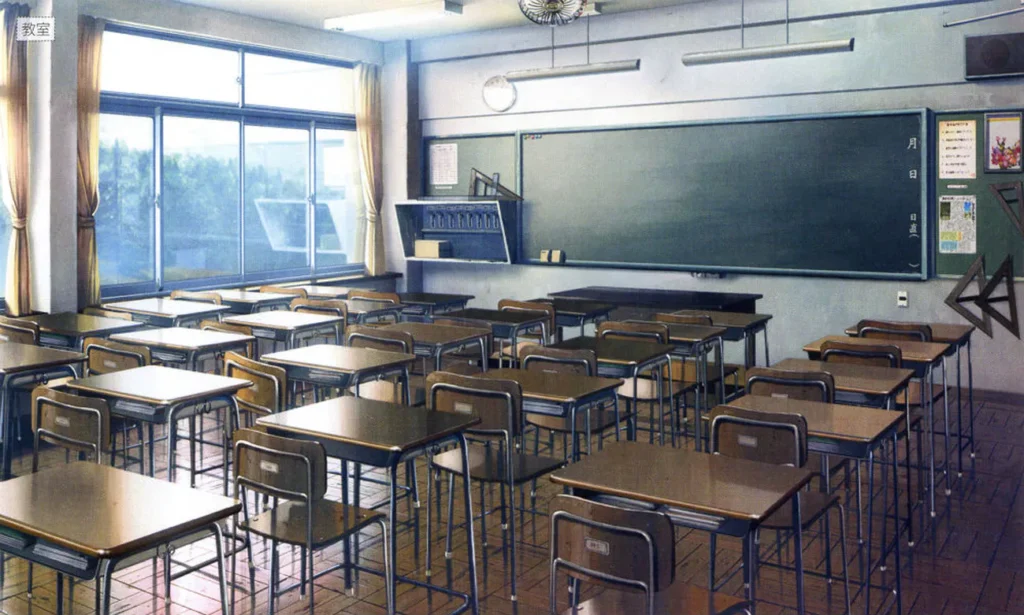
What Effective High School Classroom Management Looks Like
Establish Clear Expectations from Day One
Students respond to clarity. The classroom norms, routines, and expectations that a teacher establishes in the first week of the year tend to persist through the rest of it. Those that are not established early are difficult to introduce later. This means the first week is not the time to ease in gently.
It is the time to be explicit about what the class expects from students and what students can expect from the class. The expectations should be reasonable, specific. Consistently applied. A rule that is inconsistently enforced teaches students that the rule does not actually apply. Is more disruptive than having no rule at all.
Build Relationships Before You Need Them
Teachers who take time to learn students’ names, interests. Circumstances in the first weeks of term have a reserve of goodwill to draw on when something goes wrong. A student who feels known by their teacher is more likely to respond constructively to feedback. More likely to come to the teacher with a problem before it becomes a disruption.
More likely to care about the class. This is not about being a friend to students: it is about being a person to them. Changes the dynamic of the classroom in ways that no management technique can replicate.
Respond to Disruption Early and Calmly
Small disruptions that go unaddressed become larger ones. A quiet word to a student who is off-task costs thirty seconds and prevents a problem from developing. Ignoring it costs twenty minutes later in the lesson. The tone of the response matters as much as the timing.
A calm, private correction preserves the student’s dignity and is significantly more effective than a public confrontation. Activates the social dynamics of the classroom in ways that are rarely helpful for anyone.
Plan for the Full Period
Unstructured time at the end of a lesson is one of the most reliable sources of classroom management problems. A lesson plan that accounts for every minute of the period. A genuine activity or discussion point for the closing five minutes, leaves no gap for disruption to fill.
This does not mean racing through content: it means designing lessons that have a clear beginning, middle. End, with the closing activity connecting to what was learned and previewing what comes next.
Use Proximity
Moving around the classroom while teaching, rather than remaining anchored to the front. Has a demonstrable effect on student attention and behaviour. A teacher who circulates brings the lesson to different parts of the room and makes it harder for students at the back or the edges to disengage. It also allows for brief, private interactions with students who are struggling or drifting without requiring a public intervention.
What Does Not Work
Raising Your Voice
Escalating volume to command attention works briefly and then stops working entirely as students habituate to it. A class that has learned to tune out a raised voice requires an even louder one next time. Teachers who manage classrooms most effectively tend to use lower, quieter voices when they want attention, not louder ones. Requires students to actively listen rather than passively absorb noise.
Inconsistent Enforcement
Applying rules selectively, to some students but not others, or sometimes but not always, teaches students that rules are negotiable. The students who benefit most from clear boundaries are precisely the students who will test a teacher who signals inconsistency. Whatever rules a teacher sets, they need to be applied the same way to all students in all circumstances.
Public Confrontation
Challenging a student directly in front of their peers forces them to choose between backing down publicly. Feels like a loss, and escalating, which provides an audience. Very few students choose the former. Means the teacher has created a situation where the most likely outcome is escalation. Private conversations, even brief ones conducted while other students are working, avoid this dynamic entirely.
Avoiding the Problem
Teachers who avoid addressing a disruptive student because the confrontation is uncomfortable tend to find that the problem gets worse rather than better. The student learns that this teacher will not intervene. Licenses progressively more disruptive behaviour. Early, calm, consistent intervention is almost always preferable to a delayed, frustrated one after the situation has developed.
Classroom Management on a Class Trip
The skills that make a teacher effective in the classroom matter even more on a student trip abroad. The environment is unfamiliar, the stakes are higher, and the boundaries are less clearly defined. Clear expectations before departure, established group routines for moving between sites, consistent application of rules in all settings.
The relationship capital that a teacher has built with their students over the year all determine how a group behaves on tour. Teachers who are effective classroom managers tend to be the ones whose student groups are easiest to lead abroad. Not because they are stricter. Because their students know what is expected of them.
Prométour helps teachers establish pre-trip expectations and provides a tour director who reinforces the group structure throughout the trip. Browse destinations like France, Spain, or Québec to start planning.
Prométour provides teachers with a dedicated bilingual tour director who helps manage group logistics and student behaviour throughout the trip. Allowing teachers to focus on the educational experience. Browse trips toFrance, Costa Rica, orQuébecto see what a well-supported class trip looks like. For teachers planning a classroom management high school strategies, the curriculum connections and logistical support available make this one of the most rewarding programmes to build.