











What Students Remember Most From a Québec Educational Tour
Quebec educational tour gives teachers a focused way to connect curriculum goals with authentic experience. Students often remember the conversations, challenges, cultural differences, and moments of independence that make a Québec educational tour meaningful. For teachers, the strongest value comes from connecting each experience to a clear question, practical task, or reflection.
Quick answer: Prométour plans private, custom French student trips in Québec that are built around one class and one set of learning goals, so the itinerary, group size, and academic focus fit what a teacher actually needs.
Quebec educational tour gives teachers a focused way to connect curriculum goals with authentic experience. Students often remember the conversations, challenges, cultural differences, and moments of independence that make a Québec educational tour meaningful. For teachers, the strongest value comes from connecting each experience to a clear question, practical task, or reflection.
They Remember Using French Successfully
Students may forget a worksheet, but they remember the first time someone understood their French. Ordering food, greeting a guide, or asking a question makes years of study feel useful. The success does not need to be fluent or perfect to build confidence.
They Remember the Feeling of Old Québec
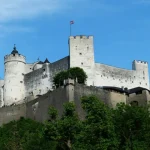
Cobblestone streets, fortifications, steep hills, and views of the St. Lawrence create a strong sense of place. Students can see how geography and history shaped the city. The experience is especially memorable because the setting feels different from many North American urban environments.
They Remember Cultural Details
Small observations often stay with students: signs in French, local expressions, meal times, public transportation, winter clothing, music, or the design of neighbourhoods. These details help them understand that culture is expressed through daily routines as well as monuments.
They Remember Shared Challenges
Weather, navigation, early mornings, unfamiliar food, and group decisions become part of the story. When students handle those challenges responsibly, they gain confidence. Teachers also see students develop patience and practical skills that may not appear in the classroom.
They Remember Community and Tradition
A program that includes local interpretation, cultural workshops, or community voices gives students a deeper understanding than sightseeing alone. Prométour’s Quebec: Culture and Traditions provides a framework for exploring how history and identity continue in contemporary life.
They Remember Greater Independence
For some students, an educational tour is their first significant experience away from home without family. Managing belongings, arriving on time, budgeting spending money, and supporting classmates are meaningful steps toward independence.
Teachers Can Design for Better Memories
The strongest memories are connected to participation. Give students a question to investigate, a conversation to attempt, or a small responsibility to manage. Leave enough time for observation and reflection. A crowded itinerary can produce photographs, while a purposeful itinerary produces understanding.
Bring the Experience Back to School
Use journals, photographs, maps, or short presentations after the tour. Ask students to explain not simply what they saw, but what changed in their understanding. This final step helps the group share the value of the trip with families, administrators, and future travellers.
Memory Follows Emotion, Participation, and Surprise
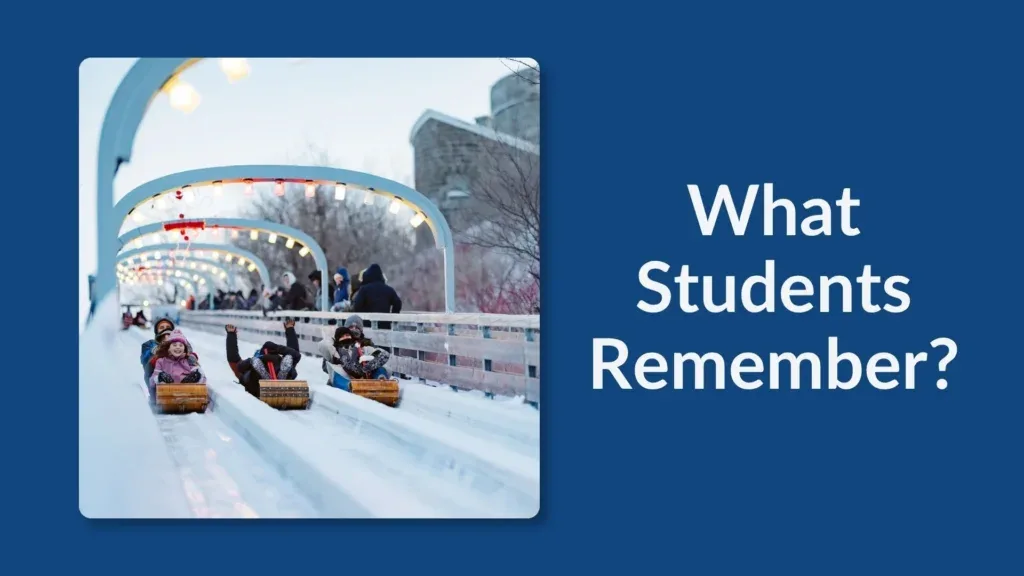
Students rarely remember an itinerary in the order it was printed. They remember the moment they understood a guide, the first time they tried a phrase with a stranger, the view from a fortification, the cold of a winter activity, or the laughter surrounding a shared mistake.
A Quebec educational tour can create these memories intentionally by balancing explanation with participation. Students need enough context to recognize significance, but also enough freedom to notice something for themselves.
Use Memory as Evidence of Learning
After the trip, ask students to choose one vivid memory and explain what it reveals about language, history, identity, or place. This moves reflection beyond 'my favourite part' and helps students connect emotion to analysis. Their answers can also show teachers which experiences produced the strongest educational return.
Memory Follows Participation
Students tend to remember the moments in which they had to do something: speak French, make a decision, taste an unfamiliar food, interpret a site, or solve a small problem with classmates. Passive sightseeing may be pleasant, but participation gives the experience a personal narrative.
When designing a Québec itinerary, teachers can deliberately build in moments of responsibility. A short language challenge, neighbourhood observation task, or student-led recap at dinner gives learners ownership and makes the trip easier to recall months later.
Questions Worth Exploring With Students
For teachers, the experience becomes most valuable when students know what evidence to look for and how the experience connects to work already completed in class. A focused question, a short observation task, and a purposeful discussion afterward can turn the topic into learning that students can explain in their own words.
For background research, teachers can consult official sources such as Parks Canada and Tourisme Montréal.
Frequently asked questions
What grade levels are Québec student trips suitable for?
Because Prométour builds every itinerary privately for a single group, the pacing and content are set to match the class, from middle-school groups to senior students. A teacher shapes the academic focus, so the same route can serve a beginner French class or an advanced one.
How far ahead should teachers plan Québec student trips?
Most group leaders start nine to twelve months out, which leaves room to confirm dates, fundraise, and align the route with the curriculum. You can request a custom quote and a draft itinerary early, then adjust it as enrolment settles. See the trip page for a starting point.
Will students actually use their French on the trip?
That is the point of a private itinerary. Guided visits, homestays, and everyday interactions are built in so students practise French in real settings rather than only in the classroom.
Bringing it into the classroom: the strongest Québec trips start from a clear curriculum goal, not a checklist of sights. Decide what you want students to understand in your French unit, then let the itinerary serve that goal. A private, custom plan makes that alignment possible, and you can shape it directly on the trip page.