













A Teacher’s Québec Trip Story: Language, History, and Student Growth
Quebec school trip experience gives teachers a focused way to connect curriculum goals with authentic experience. A teacher reflects on how a Québec school trip helped students use French, understand history, gain confidence, and grow as a group. For teachers, the strongest value comes from connecting each experience to a clear question, practical task, or reflection.
Quick answer: Prométour plans private, custom French student trips in Québec that are built around one class and one set of learning goals, so the itinerary, group size, and academic focus fit what a teacher actually needs.
Quebec school trip experience gives teachers a focused way to connect curriculum goals with authentic experience. A teacher reflects on how a Québec school trip helped students use French, understand history, gain confidence, and grow as a group. For teachers, the strongest value comes from connecting each experience to a clear question, practical task, or reflection.
Before Departure: Excitement and Uncertainty
Before the trip, students were excited but unsure about using French outside the classroom. Some worried about making mistakes, while others focused on travelling with friends. The teacher used short role-plays, maps, and daily-life vocabulary to make the destination feel more familiar.
The First Real Conversation
The turning point came when students had to use French for a simple interaction. The exchange was brief and imperfect, but it worked. That success changed the group’s attitude. Students began volunteering to ask questions and listening more carefully to the language around them.
History Became Physical
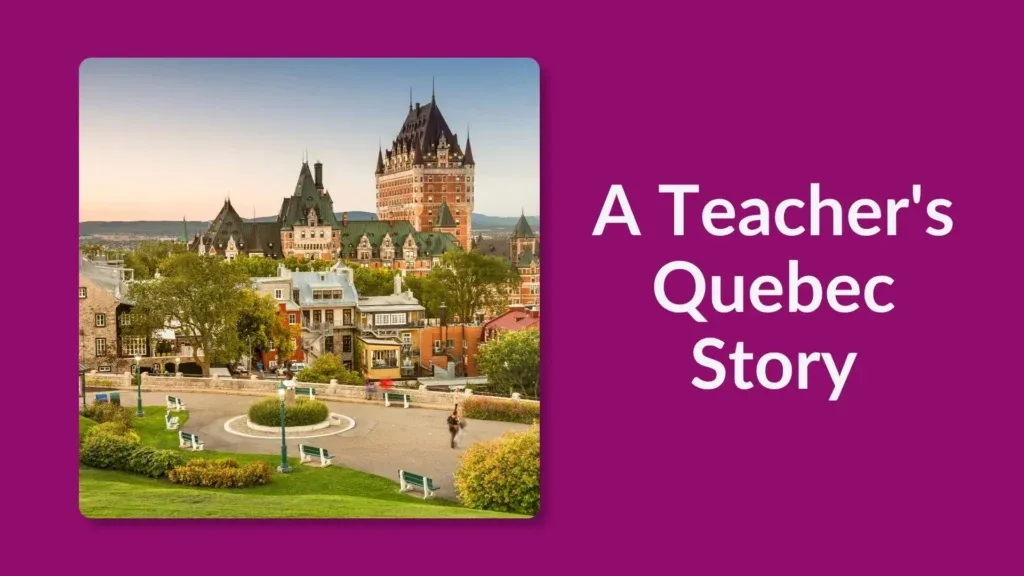
Walking through Old Québec gave students a sense of scale that photographs had not provided. Fortifications, narrow streets, monuments, and the St. Lawrence River helped them understand why geography mattered to settlement and defence. Classroom dates became connected to visible places.
Students Learned From One Another
Travel revealed strengths that were less visible at school. A quiet student became an excellent navigator. Another helped classmates interpret French signs. Students learned to wait, communicate, and solve small problems together. These moments supported group growth as much as the formal activities.
The Value of a Flexible Itinerary
A good school trip needs structure, but it also needs room for questions and unexpected learning. The group benefited from having clear daily priorities without rushing every transition. Prométour’s Quebec: French Immersion can be adapted to a teacher’s language goals and preferred pace.
Reflection After Returning Home
Back in class, students wrote about one moment when they understood something differently because they were there. Their answers included language confidence, Canadian identity, architecture, food, and independence. The reflections showed that the most important learning was not always the most dramatic attraction.
What Other Teachers Can Take From the Experience
Prepare students for participation, not perfection. Give them small responsibilities and clear behavioural expectations. Build in time to reflect during the tour, and connect the experience to a final project afterward. These steps help a memorable trip become lasting academic and personal learning.
The Most Important Changes Are Often Small
A Quebec school trip experience may not transform every student in a dramatic moment. Growth often appears in smaller ways: a quiet learner asks a question in French, a student takes responsibility for keeping the group on time, or classmates begin helping one another interpret an unfamiliar situation.
Teachers are well positioned to notice these shifts because they know the students before departure. Recording observations during the trip can help identify changes in confidence, curiosity, and independence that might otherwise be forgotten once the group returns.
Bring the Story Back to the Classroom
The value of a teacher trip story lies in what it changes afterward. Photos can become prompts, student quotations can open a discussion, and shared experiences can provide examples for later lessons. When the trip continues to appear in classroom learning, students understand that it was part of their education rather than an isolated reward.
Growth Often Appears in Small Moments
The most important evidence of student growth may not happen during a formal activity. It can appear when a hesitant learner asks a question in French, helps a classmate navigate the métro, or recognizes a historical reference without prompting. These moments show independence developing in real time.
Teachers can capture them by keeping brief observation notes during the trip. Those notes are valuable after returning home because they provide specific examples for student reflection, parent communication, and future trip planning.
A Practical Teacher Perspective
For teachers, the experience becomes most valuable when students know what evidence to look for and how the experience connects to work already completed in class. A focused question, a short observation task, and a purposeful discussion afterward can turn the topic into learning that students can explain in their own words.
For background research, teachers can consult official sources such as Parks Canada and Tourisme Montréal.
Frequently asked questions
What grade levels are Québec student trips suitable for?
Because Prométour builds every itinerary privately for a single group, the pacing and content are set to match the class, from middle-school groups to senior students. A teacher shapes the academic focus, so the same route can serve a beginner French class or an advanced one.
How far ahead should teachers plan Québec student trips?
Most group leaders start nine to twelve months out, which leaves room to confirm dates, fundraise, and align the route with the curriculum. You can request a custom quote and a draft itinerary early, then adjust it as enrolment settles. See the trip page for a starting point.
Will students actually use their French on the trip?
That is the point of a private itinerary. Guided visits, homestays, and everyday interactions are built in so students practise French in real settings rather than only in the classroom.
Bringing it into the classroom: the strongest Québec trips start from a clear curriculum goal, not a checklist of sights. Decide what you want students to understand in your French unit, then let the itinerary serve that goal. A private, custom plan makes that alignment possible, and you can shape it directly on the trip page.