







Art & ArchitectureMay 11, 2015 | 3 min read
10 Educational Experiences Worth Traveling Across an Ocean
The strongest educational travel experiences give students an active role in learning. A host-family meal, local workshop, school visit, or guided outdoor activity can make a destination more memorable than sightseeing alone. They are the moments that could not have happened in a classroom. The dinner table conversation in a host family’s home, the view from a hillside that put a battle in geographical context.
The cooking class where a recipe became a cultural memory. These are the experiences worth travelling for. The best educational travel experiences for students go far beyond monuments and museums.
Educational travel works best when the itinerary goes beyond the observable and into the participatory. Below are ten experiences, across destinations Prométour serves, that teachers consistently describe as the most meaningful parts of a student trip abroad.
Why Hands-On Educational Travel Experiences Matter
Practising French around a dinner table with a host family, eating a dish the host has cooked from scratch. Learning the names of the ingredients. Stumbling through the conversation, does more for language acquisition in one evening than a week of classroom exercises. Students who have done it describe it as the moment French stopped feeling like a school subject. Prométour includes homestay options in the France: Cultural Tour, designed around your group’s French programme.
2. A Cooking Class in Italy
Learning to make fresh pasta or pizza from a local chef in Italy is both a practical skill and a cultural lesson. Students work with their hands, follow instructions in Italian, learn the vocabulary of the kitchen. Eat what they make. The lesson extends naturally into discussions of regional Italian food culture, the geography of cuisine.
The role of food in Italian family life. Our Italy: Cultural Tour can incorporate a hands-on cooking workshop as part of the itinerary.
3. A School Visit Abroad
Spending a morning at a local school, attending a class, having lunch in the cafeteria. Comparing timetables and subjects, gives students a peer-level view of daily life in another country that no museum can provide. School visits are consistently among the experiences that students describe as most surprising and most talked-about after they return.
4. A Walking Tour Led by a Local Guide
The difference between a walking tour led by a knowledgeable local guide and one led by a script is the stories. A guide who grew up in the neighbourhood, or who has spent years studying it. Can point to the building that went through rebuilding after the war, explain why the street names changed.
Answer questions that no audio tour anticipates. For history and social studies students, this kind of guided experience turns a street into a primary source.
5. A Canopy Tour or Outdoor Adventure in Costa Rica
Ziplining through the cloud forests of Costa Rica, or crossing hanging bridges above the forest floor. Gives students a direct encounter with one of the most biodiverse environments on the planet. For STEM classes, this is a field experience in ecology, conservation. Environmental science. For any group, it is a shared physical challenge that tends to have a measurable effect on group cohesion. Prométour’s Costa Rica: Adventure Tour includes canopy experiences as a core itinerary element.
6. A Community Service Experience
Community outreach activities, whether assisting at a local school, participating in a conservation project, or contributing to a community initiative, give students a form of engagement with the destination that pure tourism does not offer. These experiences are particularly meaningful for social studies, community outreach. Leadership programmes, and they tend to produce the most reflective post-trip writing from students. Our Costa Rica: Adventure and Volunteering Tour is built around this kind of engagement.
7. A Visit to a Working Farm or Production Facility
Visiting a working olive oil producer in Spain, a cheese-maker in France, a coffee farm in Costa Rica, or a vineyard in Italy connects students to the economic and agricultural realities of the destination in a way that is both informative and memorable. For geography, economics. Science teachers, these visits offer direct curriculum connections. For students, they are almost invariably engaging: production processes are interesting when you can see and smell and touch them.
8. A Night at a Local Performance or Festival
Attending a local concert, a flamenco show in Seville, a jazz performance in Montréal, or a traditional Québécois music evening puts students in a cultural space that belongs to the destination rather than to tourists. The best of these experiences are the ones not designed for visitors. Students who find themselves at an event where they are the minority tend to pay closer attention.
9. A Guided Visit to an Active Historical Site
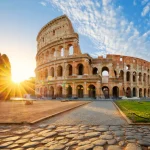
Walking through the Colosseum in Rome, the Roman Forum, or the trenches preserved at Vimy Ridge gives students a spatial experience of history that is qualitatively different from reading about it. Standing in the place where something happened, being able to measure it with your own body. To see the scale, to notice what the textbook photographs do not capture. Is the argument for educational travel in a single experience.
10. A Structured Free Afternoon in the City
A free afternoon, with a meeting point, a budget. The instruction to explore, is among the most consistently reported highlights of any student trip. Students who have to navigate a foreign city independently, read a menu, ask for directions. Make decisions together develop a confidence that is hard to manufacture in any other context. Teachers who allow for this unstructured time tend to say it produces the most significant growth they observe on the trip.
Prométour builds these kinds of experiences into every itinerary we design. Whether your group is heading toFrance, Spain, Costa Rica. OrItaly, every tour is private, fully custom. Built around what you want your students to come home knowing. For teachers planning a educational travel experiences students, the curriculum connections and logistical support available make this one of the most rewarding programmes to build.