






SpainCosta RicaSpanishSTEMMusicMay 18, 2015 | 3 min read
3 Fun Ways to Promote Your Educational Tour
Knowing how to promote a student trip can determine whether a strong itinerary attracts enough participants to move forward. These three approaches help teachers build excitement while giving families the information they need. Your students need to want to go, their parents need to feel confident about it.
Enough students need to sign up to make the trip viable. Here are three approaches that work. Knowing how to promote an educational tour to students and parents is the difference between a full group and a cancelled trip.
How to Promote a Student Trip With Confidence
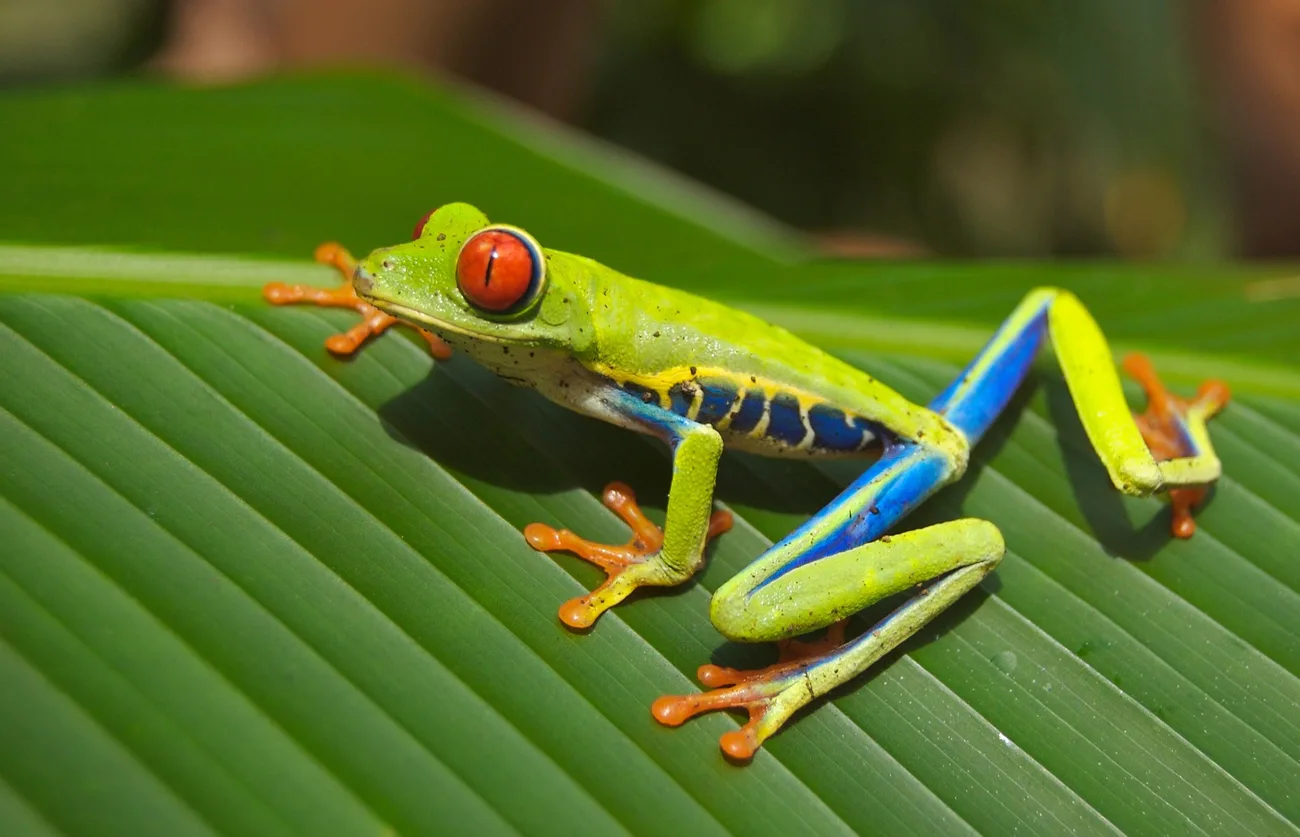
A destination-themed event, whether a classroom fiesta for a Spain trip, a rainforest science experiment for a Costa Rica trip, or a mini winter carnival with a snowman-building contest and maple taffy for a Québec City trip. Does two things at once. It makes the destination feel real and specific to students who may never have thought much about where you are going.
It generates visible enthusiasm that spreads through the school faster than any announcement can. The format does not need to be elaborate. A decorated classroom, food connected to the destination, music playing in the background. A short presentation about what students will actually do on the trip is enough to shift the conversation.
The goal is not to inform students. The information can come later. The goal is to give them a sensory experience of the destination that makes it feel like something they want to be part of. Prométour can provide destination-specific materials for your event, whether you are heading to Spain. Costa Rica, or Québec.
2. Have Students Create a Travel Brochure
Assigning a travel brochure project turns trip promotion into a classroom activity with genuine learning objectives. Students research the destination, select its most substantive attractions, write about them in an engaging way. Organise the result as a document designed to persuade a reader. For foreign language teachers, the brochure can be written in the target language.
Adding a production and editing dimension that reinforces the linguistic work of the course. The practical benefit is that students who complete the project are meaningfully more prepared for the trip than students who have simply read the itinerary. They have a working knowledge of where they are going and why it matters.
When they take the brochure home, they are also better positioned to explain the trip to their parents. Tends to make the information evening easier for everyone involved.
3. Hold an Information Evening with Your Tour Consultant
Parents have questions that teachers are sometimes not best placed to answer, including questions about safety protocols. Insurance coverage, in-trust payment accounts, the qualifications of the tour director. What happens if a student becomes ill. Inviting your Prométour tour consultant to participate in your information evening, in person or by video call.
Addresses those questions directly and from the source. Parents who hear about the trip from both the teacher and the tour company. In the same room, tend to sign the permission forms faster. It also takes the burden of answering detailed operational questions off the teacher. Who is better positioned to speak to the educational value of the trip rather than the logistics of its operation.
A Few More Approaches Worth Considering
Beyond these three, several lower-effort promotion methods have proven effective for teachers. Displaying destination-specific posters in the classroom and hallways maintains background awareness of the trip throughout the year. Incorporating the destination as a theme in classroom content, whether a geography lesson on Spain. A history unit on Québec’s role in Confederation, or a biology project on Costa Rica’s biodiversity.
Connects the trip to the curriculum in a way that makes participation feel natural rather than optional. Organising a small fundraiser connected to the destination, such as a Spanish food sale or a maple syrup tasting. Builds community around the trip while also covering costs.
The common thread in all of these approaches is specificity. Generic announcements about an upcoming trip do not build excitement. Specific, sensory, curriculum-connected experiences of the destination do.
Prométour tour consultants are available to participate in your information evenings and help you build the case for the trip with parents and administrators. We provide documentation for school board approval, support for fundraising. Everything else you need to get from planning to boarding the plane.
Browse destinations likeSpain, Costa Rica, or Québec to start the conversation. For teachers planning a promote educational tour students teachers, the curriculum connections and logistical support available make this one of the most rewarding programmes to build.