













What an Educational Tour Guide Wants Teachers to Know
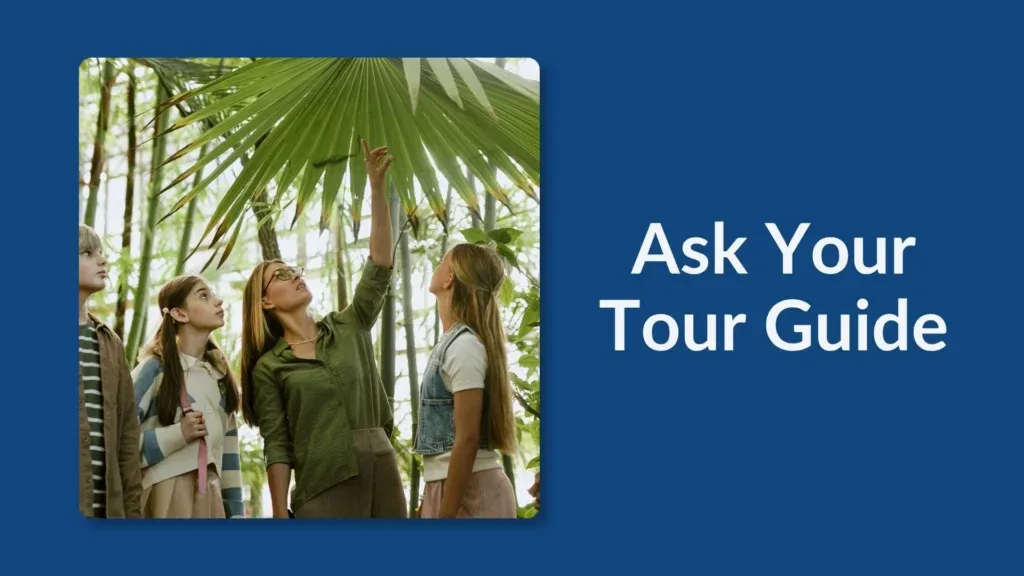
Educational tour guide advice is especially valuable because guides see how different groups respond to the same destination. They recognize which preparation helps students participate, which routines protect time, and which teacher behaviours encourage curiosity. The strongest tours are collaborative: the guide brings local knowledge and operational leadership, while the teacher brings an understanding of the students and curriculum.
Quick answer: Prométour plans private, custom student trips that are built around one class and one set of learning goals, so the itinerary, group size, and academic focus fit what a teacher actually needs.
Educational tour guide advice is especially valuable because guides see how different groups respond to the same destination. They recognize which preparation helps students participate, which routines protect time, and which teacher behaviours encourage curiosity. The strongest tours are collaborative: the guide brings local knowledge and operational leadership, while the teacher brings an understanding of the students and curriculum.
Preparation changes the quality of student questions
Students do not need to memorize a destination before departure, but a basic framework helps them notice more. A short timeline, map, vocabulary list, or set of guiding questions gives them something to connect with what they see.
Guides can then move beyond introductory facts and respond to more specific observations. The conversation becomes richer because students arrive with context and permission to be curious.
Clear routines protect learning time
Late departures, missing items, and unclear meeting points can gradually reduce the educational value of an itinerary. Teachers can help by assigning consistent buddy groups, checking attendance efficiently, and reviewing the next day each evening.
These routines should feel calm rather than punitive. When students know what is expected, the guide can spend more time interpreting the destination and less time solving preventable problems.
Teachers and guides have complementary roles
A guide understands the destination, route, suppliers, and local conditions. A teacher understands personalities, learning needs, school policies, and group history. Sharing relevant information allows both adults to make better decisions.
Teachers can also help a guide connect content to current classroom topics. A brief conversation at the start of the program may reveal that students are studying revolution, migration, architecture, or environmental systems.
Reflection turns activity into learning
Students need moments to process what they have seen. A guide may pose questions during a visit, while the teacher can continue the discussion through journals, evening debriefs, or later classroom assignments.
Reflection should not require a long worksheet after every activity. One thoughtful question can be enough: What challenged your expectations? Which detail changed your understanding? What would you investigate next?
Guides Work Best When Teachers Share the Learning Goal
Educational tour guide advice often begins with communication. A guide can adapt examples, vocabulary, and pacing when the teacher explains what students have studied and what the group should understand by the end. Without that context, even an excellent guide may deliver information that is interesting but disconnected from the course.
Teachers also remain essential during the visit. The guide leads interpretation, but the teacher knows the students, reinforces behaviour expectations, and can connect new information to previous lessons.
Protect Time for Questions and Adjustment
A schedule that leaves no margin makes good guiding harder. Students need time to look, ask, use facilities, and recover from delays. Teachers should identify priority experiences so the guide knows what to protect if the day changes. Flexibility is most effective when everyone understands the educational priorities.
The best results come when teachers treat the Tour Director as an educational partner and give students enough structure to engage confidently. student trips offers a practical starting point, and the France student tours page can help you compare related options.
Guides Can Extend the Classroom When Teachers Share Context
A guide can make better choices when they understand what students have already studied, which terms they know, and what the teacher hopes they will notice. Even a short pre-tour conversation can help the guide adjust examples, pacing, and questions to the group.
Teachers should also leave space for the guide’s local expertise. The strongest partnership combines curricular goals with stories and observations that only someone who knows the place deeply can provide.
A Practical Teacher Perspective
For teachers, the experience becomes most valuable when students know what evidence to look for and how the experience connects to work already completed in class. A focused question, a short observation task, and a purposeful discussion afterward can turn the topic into learning that students can explain in their own words.
For another teacher-focused perspective, read A Teacher’s 10-Step Guide to Planning an Educational Tour.
For background research, teachers can consult official sources such as UNESCO World Heritage Centre and the Louvre.
Frequently asked questions
What grade levels are Prométour student trips suitable for?
Because Prométour builds every itinerary privately for a single group, the pacing and content are set to match the class, from middle-school groups to senior students. A teacher shapes the academic focus, so the same route can serve a beginner language class or an advanced one.
How far ahead should teachers plan Prométour student trips?
Most group leaders start nine to twelve months out, which leaves room to confirm dates, fundraise, and align the route with the curriculum. You can request a custom quote and a draft itinerary early, then adjust it as enrolment settles. See the trip page for a starting point.
How is a private group trip different from an off-the-shelf tour?
A private itinerary is built around one class rather than pooled with strangers, so the schedule, academic focus, and group size fit the teacher’s goals. That control is the core of how Prométour works.
Bringing it into the classroom: the strongest France trips start from a clear curriculum goal, not a checklist of sights. Decide what you want students to understand in your unit, then let the itinerary serve that goal. A private, custom plan makes that alignment possible, and you can shape it directly on the trip page.