



PeruHistoryArt & ArchitectureMarch 16, 2016 | 6 min read
8 Remarkable Gems that will Make You Fall in Love with Peru
Peru student trip highlights span archaeology, ecology, geography, art, food, and living Indigenous culture. These eight experiences show why the country supports a genuinely interdisciplinary school itinerary. The Amazon basin, the high Andes, the coastal desert, the ruins of one of the greatest pre-Columbian civilisations in the Americas.
The living communities that are its descendants. For student groups, it offers history, ecology, art, geography, and community engagement in a single destination. Here are eight experiences that make the trip worth planning. A Peru student trip offers educational experiences that span history, ecology, community service, and cultural immersion in a single destination.
Why These Peru Student Trip Highlights Work Across the Curriculum
Lake Titicaca, on the border of Peru and Bolivia at an altitude of 3. 812 metres, is the highest navigable lake in the world and the largest lake in South America by volume. The Uros people have lived on artificial floating islands constructed from dried totora reeds for centuries.
A way of life that predates the Inca civilisation. Visiting the islands of Uros and nearby Taquile gives students a direct encounter with a community whose material culture, social organisation. Relationship to the natural environment is profoundly different from anything in the standard educational travel circuit.
The weavers of Taquile Island, whose textile traditions are recognised by UNESCO as an Intangible Cultural Heritage of Humanity. Give art and social studies students a curriculum connection that is both specific and memorable.
2. Machu Picchu
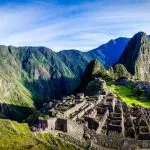
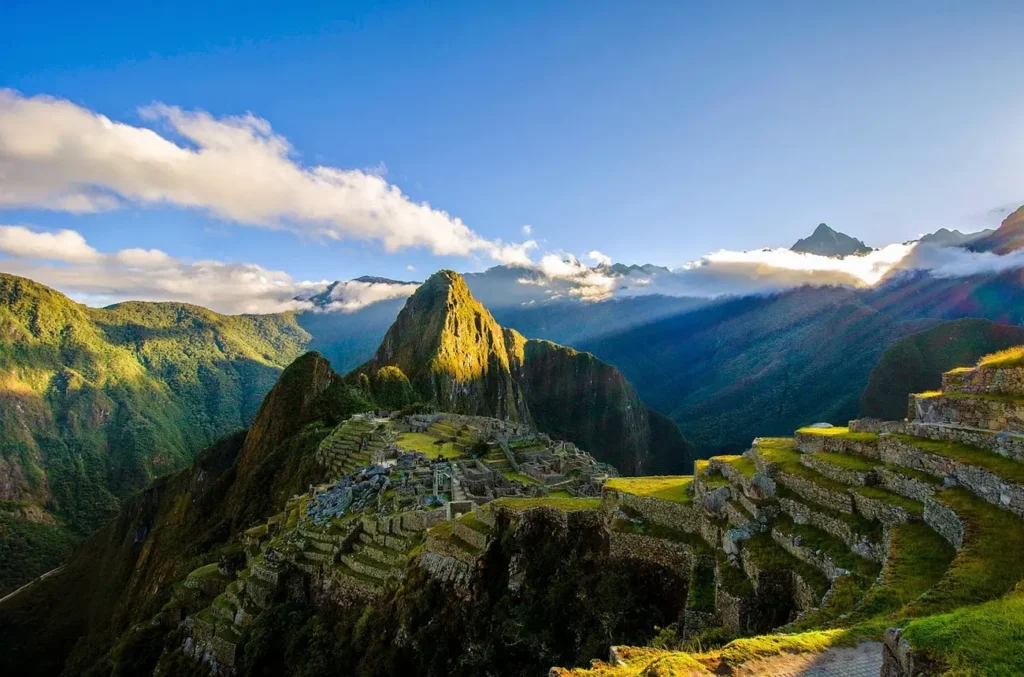
Machu Picchu requires no introduction, but the experience of arriving there deserves description. The Inca citadel sits at 2,430 metres above sea level in the cloud forest of the Cusco region. Its stone terraces and temples intact after five centuries largely because it was never found by Spanish conquistadors.
The approach by train through the Sacred Valley, followed by a bus up the switchback road to the site. Is itself part of the experience. For history and social studies students, Machu Picchu connects to the rise and fall of the Inca Empire, the Spanish conquest.
The archaeology of a civilisation that built without the wheel, iron tools, or mortar. Our Peru: Discover Peru Tour includes Machu Picchu as its centrepiece.
3. The Sacred Valley of the Incas
The Sacred Valley, stretching between Cusco and Machu Picchu along the Urubamba River. Contains some of the most significant Inca archaeological sites in Peru. The fortress of Ollantaytambo, the salt terraces of Maras, the circular agricultural terraces of Moray. The market town of Pisac. The valley is also home to Quechua-speaking communities whose agricultural practices, textile traditions.
Daily life maintain direct continuity with the pre-Columbian world. A day in the Sacred Valley, stopping at two or three sites with a knowledgeable guide. Gives students a more layered understanding of Incan civilisation than Machu Picchu alone provides.
4. Cusco
Cusco was the capital of the Inca Empire and remains one of the most historically layered cities in the Americas. The Spanish colonial city dates to directly on top of the Inca city, using Incan stone walls as foundations. The result is a urban landscape where the two histories are literally superimposed.
A Spanish baroque cathedral built on the foundations of an Inca palace. Colonial archways above Incan stonework that was fitted without mortar but has survived earthquakes that brought down everything built on top of it. The Plaza de Armas, the Qorikancha (the Sun Temple). The San Blas neighbourhood all provide rich material for architecture and history teachers.
5. A Homestay with a Local Family
Prométour includes homestay options with Peruvian families as part of its Peru itineraries. Giving students the kind of direct cultural encounter that no guided tour of a monument can provide. Sharing meals, participating in daily household tasks. Attempting to communicate in Spanish with a family that does not speak English accelerates language acquisition and cultural understanding in ways that are difficult to replicate in any other context.
For social studies and community outreach programmes, a homestay in Peru gives students a framework for thinking about economic inequality, global development. The difference between poverty statistics and human lives that stays with them long after the trip. See our Peru: Homestay Tour for more details.
6. A Community Service Project
Our Peru: Community Project Tour gives student groups the opportunity to contribute to a community initiative in the Cusco region. Whether building or repairing infrastructure, assisting at a local school, or supporting an environmental project. These experiences are carefully structured to ensure that the work is genuinely useful to the community rather than performative.
They are accompanied by preparation and debriefing that helps students understand the context of what they are doing. For teachers running community outreach or global citizenship programmes, a community project in Peru is among the most substantive service learning experiences available in educational travel.
7. The Amazon Basin
The Peruvian Amazon, accessible by flight from Lima or Cusco to Puerto Maldonado or Iquitos. Is one of the most biodiverse regions on Earth. A lodge-based experience in the Amazon gives students direct encounters with the rainforest ecosystem: caiman, piranha, river dolphins, macaws. An extraordinary density of insect and plant life.
For biology and environmental science programmes, a day or two in the Amazon provides field experience in tropical ecology, biodiversity. Conservation that no classroom can approximate. It also provides a striking contrast with the high-altitude Andean landscapes of the rest of the itinerary. Making Peru’s geographical range immediately legible.
8. The Nazca Lines
The Nazca Lines are a series of ancient geoglyphs etched into the desert floor of southern Peru between 500 BCE and 500 CE by the Nazca culture. The largest figures, some stretching up to 370 metres, are only visible in their entirety from the air. Means that the people who made them could never see the completed works they created.
The lines depict animals, plants. Geometric forms with a precision that continues to generate academic debate about how they were planned and executed. A flight over the Nazca Lines, available as part of an extended Peru itinerary. Is one of those experiences that generates the kind of sustained curiosity that teachers spend careers trying to produce.
Prométour offers several Peru itineraries for school groups, each private and built around your curriculum and subject focus. Browse thePeru: Discover Peru Tour, thePeru: Homestay Tour. Or thePeru: Community Project Touras starting points. We will customise the itinerary around your programme. For teachers planning a peru student trip educational experiences, the curriculum connections and logistical support available make this one of the most rewarding programmes to build.