










QuebecSTEMArt & ArchitectureFrenchJanuary 12, 2026 | 4 min read
Québec’s Ice Hotel: History, Design, and Student Learning
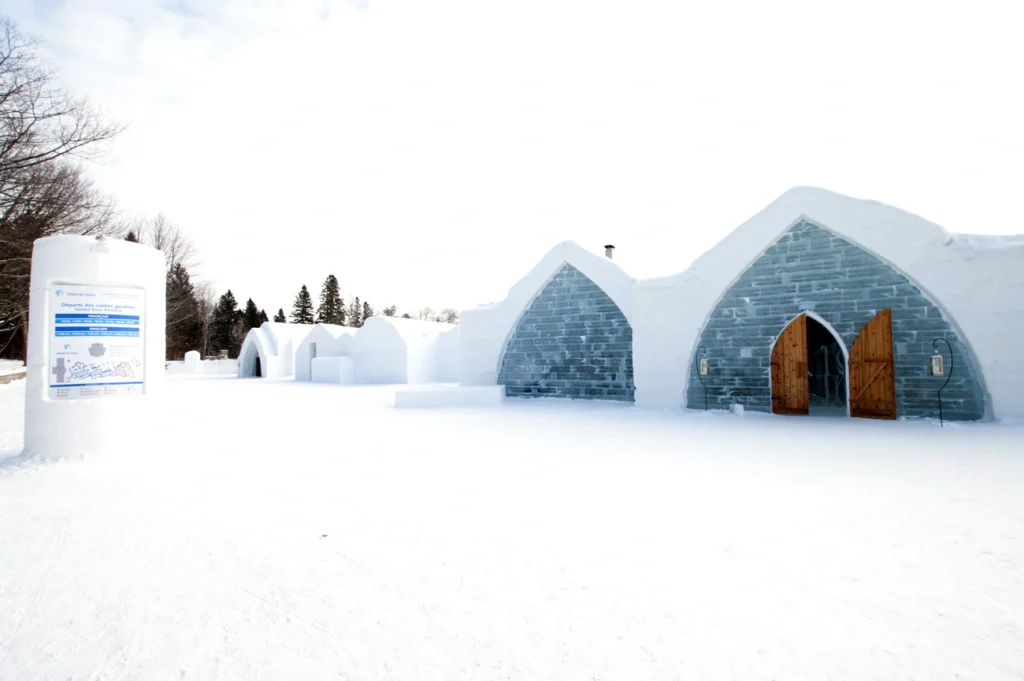
Quebec ice hotel gives teachers a focused way to connect curriculum goals with authentic experience. The Québec Ice Hotel, known as the Hôtel de Glace, is rebuilt each winter from snow and ice near Québec City. Its temporary architecture makes it visually striking, but the educational value goes further. Students can investigate material science, structural design, tourism, visual art, and the way Québec has transformed winter into part of its public identity.
Quick answer: Prométour plans private, custom STEM student trips in Québec that are built around one class and one set of learning goals, so the itinerary, group size, and academic focus fit what a teacher actually needs.
QuebecSTEMArt & ArchitectureFrenchJanuary 12, 2026 | 4 min read
Quebec ice hotel gives teachers a focused way to connect curriculum goals with authentic experience. The Québec Ice Hotel, known as the Hôtel de Glace, is rebuilt each winter from snow and ice near Québec City. Its temporary architecture makes it visually striking, but the educational value goes further. Students can investigate material science, structural design, tourism, visual art, and the way Québec has transformed winter into part of its public identity.
A Building Designed to Disappear
Unlike conventional architecture, the Ice Hotel is created with the knowledge that it will melt. That temporary lifespan changes how designers think about materials, construction schedules, maintenance, and visitor experience. Students can compare this approach with permanent buildings and other forms of seasonal architecture.
Snow and Ice Behave Differently
Compacted snow can function as an insulating and structural material, while clear ice is often used for decorative features, furniture, and sculpture. Temperature, moisture, density, and load all influence what builders can create. These questions make the site especially relevant for STEM and design students.
Construction Requires Planning and Collaboration
The hotel’s rooms, corridors, public spaces, sculptures, and technical systems must be coordinated within a limited winter season. Students can examine how artists, engineers, builders, and tourism professionals contribute different expertise to one project.
Art Is Integrated Into the Architecture
Carved walls, themed rooms, lighting, and ice sculptures transform the structure into an immersive installation. Art students can analyze texture, transparency, scale, and the effect of colored light on ice. They can also discuss whether functional architecture can simultaneously operate as exhibition space.
Winter Tourism and Québec Identity
Québec has developed festivals, activities, food traditions, and attractions that frame winter as an experience rather than simply an obstacle. The Hôtel de Glace provides a useful case study in destination branding and regional identity. Marketing or geography students can consider how climate becomes an economic and cultural asset.
Prepare Students for the Environment
Warm layers, gloves, suitable footwear, and clear expectations are essential. Teachers should also plan short observation tasks so students remain engaged without standing still for long periods. Photography, sketching, material comparisons, or a design challenge can focus attention.
Connect the Visit to a Wider Winter Program
Prométour’s Quebec: Winter Adventures itinerary can incorporate the Hôtel de Glace alongside other experiences that explore winter culture, French language, and regional history. The strongest program balances outdoor activities with warm indoor learning spaces and realistic pacing.
Explore Prométour’s Quebec: Winter Adventures as a customizable starting point for your group.
The Ice Hotel Is a Study in Temporary Architecture
The Quebec Ice Hotel allows students to examine a building designed to disappear. Its structure depends on temperature, material behaviour, seasonal labour, and careful engineering. Each year offers a new design, making impermanence part of the concept rather than a flaw.
Students can investigate insulation, load, lighting, artistic carving, and the environmental costs of construction and refrigeration. The site sits at the intersection of architecture, tourism, climate, and cultural storytelling.
Ask What Makes a Seasonal Attraction Sustainable
A useful discussion goes beyond visual spectacle. Students can consider energy use, employment, visitor transportation, waste, and the economic value of winter tourism. The Ice Hotel becomes a case study in how a cold climate can be treated as a design resource while still raising practical environmental questions.
The Ice Hotel Is an Engineering Problem Students Can Enter
The structure invites questions about insulation, material strength, temperature, lighting, and seasonal construction. Students can observe how designers balance safety, aesthetics, and the limitations of snow and ice.
The temporary nature of the building adds another layer. Unlike permanent architecture, the hotel must be rebuilt and redesigned, making it a useful case study in adaptation, experimentation, and climate-dependent tourism.
What Students Should Notice
For teachers, the experience becomes most valuable when students know what evidence to look for and how the experience connects to work already completed in class. A focused question, a short observation task, and a purposeful discussion afterward can turn the topic into learning that students can explain in their own words.
For another teacher-focused perspective, read Indoor Skating in Montréal: A Winter Learning Experience.
For background research, teachers can consult official sources such as Parks Canada and Tourisme Montréal.
Frequently asked questions
What grade levels are Québec student trips suitable for?
Because Prométour builds every itinerary privately for a single group, the pacing and content are set to match the class, from middle-school groups to senior students. A teacher shapes the academic focus, so the same route can serve a beginner STEM class or an advanced one.
How far ahead should teachers plan Québec student trips?
Most group leaders start nine to twelve months out, which leaves room to confirm dates, fundraise, and align the route with the curriculum. You can request a custom quote and a draft itinerary early, then adjust it as enrolment settles. See the trip page for a starting point.
How does the trip connect to what students study in class?
Each site is chosen to reinforce classroom units, so students meet the primary sources and places behind the textbook. Teachers can request pre-trip and post-trip materials that tie visits back to the curriculum.
Bringing it into the classroom: the strongest Québec trips start from a clear curriculum goal, not a checklist of sights. Decide what you want students to understand in your STEM unit, then let the itinerary serve that goal. A private, custom plan makes that alignment possible, and you can shape it directly on the trip page.