





SpainSpanishHistoryArt & ArchitectureJuly 10, 2026 | 4 min read
What a Student Learned From Traveling in Spain
A student trip to Spain is often described through monuments, museums, and meals. Yet the most important outcomes may be less visible: growing confidence, greater independence, and a clearer understanding that the world offers many possible ways to live. A student reflection from a Prométour trip shows how these changes can unfold across an itinerary.

Quick answer: Prométour plans private, custom Spanish student trips in Spain that are built around one class and one set of learning goals, so the itinerary, group size, and academic focus fit what a teacher actually needs.
SpainSpanishHistoryArt & ArchitectureJuly 10, 2026 | 4 min read
A student trip to Spain is often described through monuments, museums, and meals. Yet the most important outcomes may be less visible: growing confidence, greater independence, and a clearer understanding that the world offers many possible ways to live. A student reflection from a Prométour trip shows how these changes can unfold across an itinerary.
Historic Places Feel Different in Person
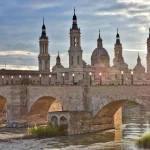
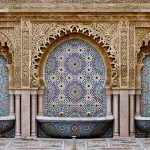
Students may have seen images of palaces, cathedrals, and public squares, but scale and atmosphere are difficult to communicate on a screen. In Spain, architecture shows the influence of Roman, Islamic, Jewish, and Christian communities. Seeing these layers together encourages students to ask how societies preserve, reinterpret, or sometimes erase the past.
Language Becomes a Tool, Not an Assignment
Using Spanish to order food, understand directions, or speak with local students changes the purpose of language learning. Communication becomes more important than perfection. Even brief successful exchanges can give students the confidence to participate more actively when they return to class.
Students Notice Different Rhythms of Life
Meal times, public spaces, pedestrian culture, family routines, and evening activity may differ from what students know at home. These observations create useful discussions about quality of life, community, work, and the assumptions people make about what is normal.
Shared Challenges Build Confidence
Navigating a new city, keeping track of belongings, trying unfamiliar food, and staying engaged through a full day all require maturity. Students often discover they are more adaptable than they expected. Teachers can reinforce that growth by asking learners to identify moments when they solved a problem or helped someone else.
Reflection Turns Experience Into Learning
A travel journal, photo essay, presentation, or class discussion helps students make sense of the trip. Rather than simply listing favorite attractions, teachers can ask how the experience changed a belief, challenged an assumption, or influenced a future goal.
Designing a Spain Program for Students
Prométour’s Spain: Classic Tour introduces major historical and cultural centers while allowing teachers to customize pacing and academic emphasis. Language exchanges, art activities, cooking experiences, or regional extensions can help the itinerary reflect the group’s objectives.
Explore Prométour’s Spain: Classic Tour as a customizable starting point for your group.
Spain Challenges the Classroom Version of Culture
A student trip to Spain often begins with familiar symbols and quickly becomes more complex. Students hear several languages, notice strong regional identities, encounter different meal schedules, and see how ancient, Islamic, Jewish, Christian, imperial, and modern histories overlap.
The most valuable lesson may be learning to revise expectations. A student who arrives with a single image of Spanish culture begins to recognize disagreement, diversity, and local pride.
Reflection Should Preserve the Student Voice
Ask students to describe one assumption that changed and the evidence that changed it. Their own words can reveal learning that a factual quiz misses. A thoughtful travel reflection is not a promotional testimonial; it is a record of how observation altered understanding.
Student Reflection Becomes Stronger With Specific Prompts
A general question such as “What did you learn?” often produces a list of favourite places. More focused prompts reveal deeper growth. Ask students to describe one assumption that changed, one interaction that required courage, and one detail that helped them understand regional identity.
These reflections can become short presentations, photo essays, or language assignments. The student voice remains central while the final work demonstrates learning rather than simply recounting the itinerary.
A Stronger Classroom Connection
For teachers, the experience becomes most valuable when students know what evidence to look for and how the experience connects to work already completed in class. A focused question, a short observation task, and a purposeful discussion afterward can turn the topic into learning that students can explain in their own words.
For another teacher-focused perspective, read Hidden Gems in Spain for Student Learning.
For background research, teachers can consult official sources such as UNESCO World Heritage Centre and the Museo del Prado.
Frequently asked questions
What grade levels are Spain student trips suitable for?
Because Prométour builds every itinerary privately for a single group, the pacing and content are set to match the class, from middle-school groups to senior students. A teacher shapes the academic focus, so the same route can serve a beginner Spanish class or an advanced one.
How far ahead should teachers plan Spain student trips?
Most group leaders start nine to twelve months out, which leaves room to confirm dates, fundraise, and align the route with the curriculum. You can request a custom quote and a draft itinerary early, then adjust it as enrolment settles. See the trip page for a starting point.
Will students actually use their Spanish on the trip?
That is the point of a private itinerary. Guided visits, homestays, and everyday interactions are built in so students practise Spanish in real settings rather than only in the classroom.
Bringing it into the classroom: the strongest Spain trips start from a clear curriculum goal, not a checklist of sights. Decide what you want students to understand in your Spanish unit, then let the itinerary serve that goal. A private, custom plan makes that alignment possible, and you can shape it directly on the trip page.