


















QuebecFranceSpainCosta RicaMarch 14, 2016 | 4 min read
Why Homestays Are One of the Best Language Immersion Experiences
A student homestay immersion program turns language learning into daily life. Instead of using new vocabulary only during a lesson, students practise it while sharing meals, asking questions, following household routines and exploring a community with local hosts. For teachers, that continuous exposure creates a stronger bridge between classroom preparation and meaningful communication.

Quick answer: Prométour plans private, custom student trips abroad that are built around one class and one set of learning goals, so the itinerary, group size, and academic focus fit what a teacher actually needs.
A student homestay immersion program turns language learning into daily life. Instead of using new vocabulary only during a lesson, students practise it while sharing meals, asking questions, following household routines and exploring a community with local hosts. For teachers, that continuous exposure creates a stronger bridge between classroom preparation and meaningful communication.
Language becomes necessary, not theoretical
In a classroom, students can often pause, switch to English or wait for the teacher to guide the conversation. A homestay changes that dynamic. Everyday moments such as asking where to leave a bag, explaining a food preference or discussing the next day’s plans give students a genuine reason to communicate.
The goal is not flawless grammar. It is successful interaction. Students learn to listen for context, rephrase an idea and keep a conversation moving. Those skills are central to real language proficiency and often develop faster when students understand that communication has an immediate purpose.
Students hear the language as people actually use it
Host families expose students to natural rhythm, pronunciation and common expressions that are difficult to reproduce through a textbook. Learners begin to notice how tone changes meaning, how people shorten familiar phrases and how vocabulary varies between generations or regions.
Teachers can prepare students by reviewing useful household language before departure. After each homestay day, a short reflection activity can help them record new expressions, compare what they heard and identify moments when they successfully made themselves understood.
Daily routines reveal the culture behind the language
Language and culture are inseparable. Breakfast habits, meal times, family roles, public transportation, recycling practices and weekend routines all provide insight into how a community functions. These observations help students move beyond simplified cultural facts and see how values appear in everyday choices.
A thoughtful homestay program also encourages comparison without ranking one culture above another. Students can ask why a routine is different, what historical or social factors shaped it and how their own habits might appear to someone visiting their home.
Confidence grows through small successes
Many students arrive worried about making mistakes. A welcoming host family gives them a lower-pressure environment in which to try. Successfully ordering food, understanding a joke or holding a short conversation can become a turning point in how they view their own ability.
Teachers often see quieter students participate more actively after these experiences. The student may not return fully fluent, but they frequently return more willing to speak, ask questions and take reasonable risks in the language classroom.
Host families create a personal connection to place
Museums and landmarks help students understand a destination, but relationships make the destination memorable. A host sibling, a shared meal or a conversation about school can give students a personal reference point that stays with them long after the trip.
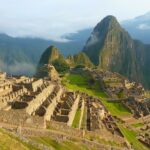
Prométour’s Peru: Homestay itinerary combines cultural exploration with opportunities for students to experience local life more directly. The program can be adapted around language level, curriculum priorities and the needs of the group.
Preparation makes the experience stronger
A successful homestay begins before students meet their hosts. Teachers should discuss respectful communication, allergies, dietary needs, household expectations, personal boundaries and what to do when a student is unsure about a situation.
Useful preparation activities include writing a short self-introduction, practising polite questions and creating a list of topics students can discuss with their hosts. Students should also understand that curiosity works best when it is paired with respect and patience.
Reflection turns experience into learning
The educational value increases when students process what they experienced. A journal, partner discussion or post-trip presentation can help them connect language growth with cultural observations. Teachers can ask students to identify one conversation they were proud of, one assumption that changed and one aspect of daily life they want to understand better.
These reflections make the homestay more than accommodation. They turn it into evidence of growth that students can carry back into the classroom.
What Students Actually Learn Around the Dinner Table
A homestay changes the unit of learning from isolated vocabulary to everyday participation. Students hear how people interrupt politely, show uncertainty, tell a joke, ask for clarification, and move between formal and informal language. These small exchanges are difficult to reproduce in a classroom because they depend on real relationships and real consequences: a question must be understood, a request must be clear, and a misunderstanding must be repaired.
Teachers can prepare students by practising the language of daily routines rather than only tourist transactions. Useful rehearsal includes introducing a family member, explaining a food preference, asking when the bathroom is free, and responding when a host speaks too quickly. The goal is not flawless performance. It is the confidence to remain in the conversation long enough for learning to happen.
Choosing and Debriefing a Homestay Experience
A strong homestay program needs clear expectations, vetted hosts, emergency procedures, and a realistic understanding of student maturity. After the stay, ask students to document one phrase they began to understand differently, one routine that surprised them, and one assumption they had to revise. Those reflections reveal the deeper value of a homestay immersion program: students do not simply practise a language, they learn how communication works inside another household.
A Stronger Classroom Connection
For teachers, the experience becomes most valuable when students know what evidence to look for and how the experience connects to work already completed in class. A focused question, a short observation task, and a purposeful discussion afterward can turn the topic into learning that students can explain in their own words.
For another teacher-focused perspective, read Language Immersion in Barcelona: A Teacher’s Guide.
For background research, teachers can consult official sources such as ACTFL language proficiency guidelines and Parks Canada.
Frequently asked questions
What grade levels are Prométour student trips suitable for?
Because Prométour builds every itinerary privately for a single group, the pacing and content are set to match the class, from middle-school groups to senior students. A teacher shapes the academic focus, so the same route can serve a beginner language class or an advanced one.
How far ahead should teachers plan Prométour student trips?
Most group leaders start nine to twelve months out, which leaves room to confirm dates, fundraise, and align the route with the curriculum. You can request a custom quote and a draft itinerary early, then adjust it as enrolment settles. See the trip page for a starting point.
Will students actually use their target language on the trip?
That is the point of a private itinerary. Guided visits, homestays, and everyday interactions are built in so students practise the language in real settings rather than only in the classroom.