









Costa RicaMay 18, 2016 | 4 min read
10 Reasons Costa Rica Is an Exceptional Student Travel Destination
A Costa Rica student trip can support Spanish, biology, ecology, geography and global citizenship within one compact destination. Students move between rainforests, volcanoes, farms, coastlines and communities while seeing how environmental choices influence daily life. These ten reasons explain why Costa Rica remains one of the strongest destinations for interdisciplinary educational travel.
Quick answer: Prométour plans private, custom student trips in Costa Rica that are built around one class and one set of learning goals, so the itinerary, group size, and academic focus fit what a teacher actually needs.
A Costa Rica student trip can support Spanish, biology, ecology, geography and global citizenship within one compact destination. Students move between rainforests, volcanoes, farms, coastlines and communities while seeing how environmental choices influence daily life. These ten reasons explain why Costa Rica remains one of the strongest destinations for interdisciplinary educational travel.
1. Biodiversity is visible everywhere
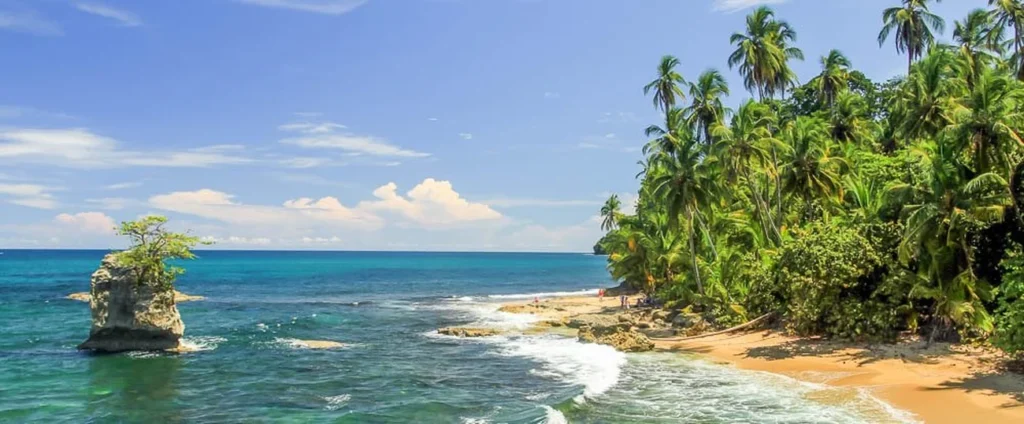
Costa Rica contains an extraordinary range of ecosystems within a relatively small area. Students may observe tropical forest, cloud forest, mangroves and coastal habitats during the same program.
That variety makes ecological concepts concrete. Food webs, adaptation and competition can be discussed using species and environments students have just observed.
2. Conservation becomes a real policy question
Protected areas and national parks play a major role in Costa Rica’s environmental strategy. Students can examine how conservation decisions balance biodiversity, tourism, agriculture and community needs.
This creates a more sophisticated lesson than simply telling students to protect nature. They can consider costs, trade-offs and the institutions required to maintain protected landscapes.
3. Volcanoes bring earth science to life
Costa Rica lies along an active tectonic boundary, and its volcanic landscapes reveal the forces that shape Central America. Students can connect plate tectonics with geothermal activity, soil fertility and settlement patterns.
A guided visit helps learners interpret visible evidence instead of treating a volcano as only a dramatic photograph.
4. Spanish has an immediate purpose
Students can use Spanish in markets, restaurants, community activities and conversations with local guides. Even beginners can practise greetings, numbers and simple questions.
The value comes from purposeful communication. Students discover that a limited vocabulary can still help them connect with another person.
5. Sustainability can be evaluated, not idealized
Costa Rica is frequently presented as a sustainability leader. Educational travel gives students the chance to examine that reputation critically.
They can ask how renewable energy, ecotourism, waste, transportation and land use work in practice. Comparing policies with visible outcomes strengthens critical thinking.
6. Farms connect ecology with economics
Coffee, cacao, fruit and other agricultural products link climate, soil, labour and international trade. A farm visit can show students how a product moves from plant to market.
Teachers can connect the experience to consumer choices, certification systems and the pressures farmers face when prices or weather patterns change.
7. Wildlife observation builds scientific habits
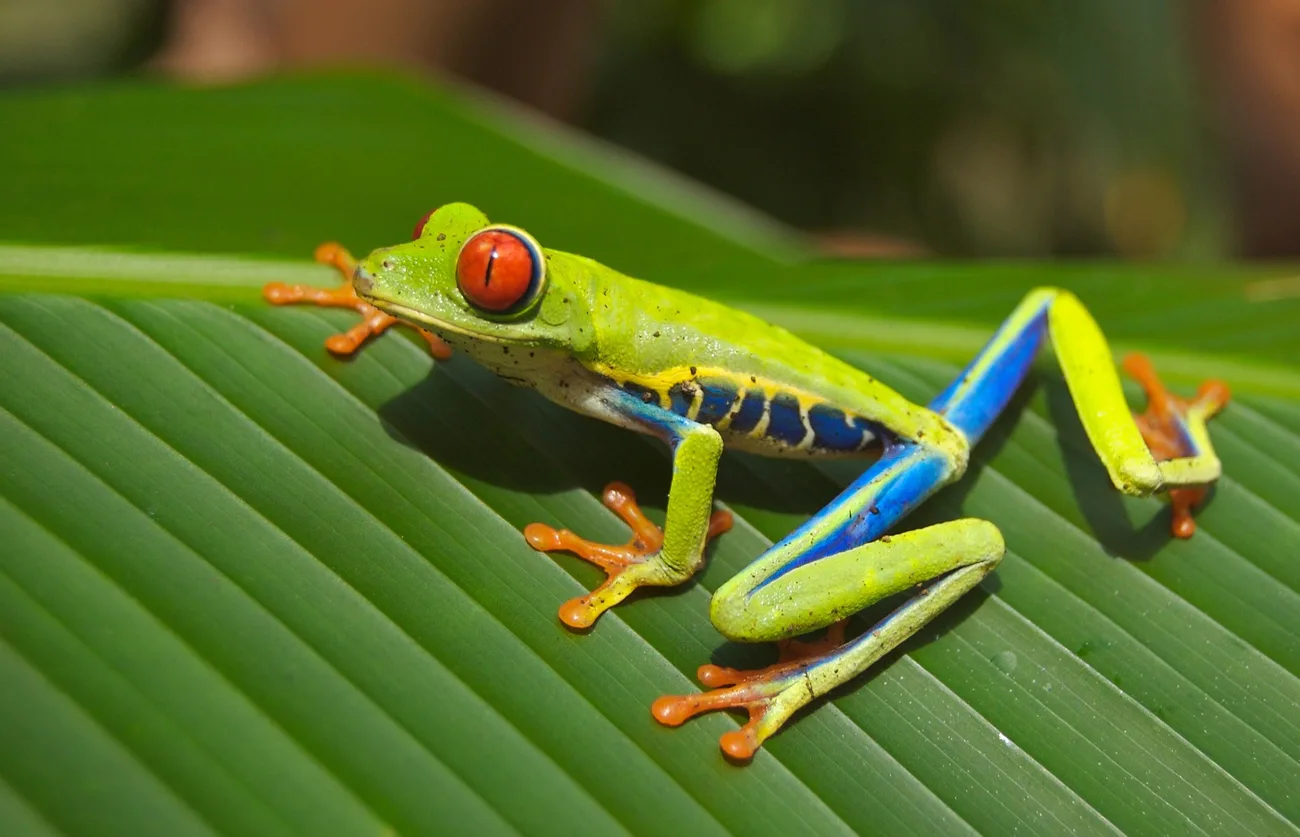
Spotting a sloth or toucan is exciting, but the educational value increases when students observe carefully. They can record habitat, behaviour, time of day and evidence of adaptation.
Field notes encourage patience and help students distinguish observation from assumption.
8. Outdoor activities develop confidence
Hiking, canopy walks and other supervised activities allow students to challenge themselves in a structured setting. The goal is not thrill seeking. It is learning to prepare, follow safety instructions and support peers.
These experiences can strengthen group cohesion and help students recognize abilities that may not appear in the classroom.
9. Communities add social and cultural context
Environmental learning is incomplete without the people who live in the landscape. Local guides, families and community organizations can explain how conservation and tourism affect employment, traditions and access to resources.
Students should be encouraged to listen carefully and avoid assuming that every community shares the same priorities.
10. The destination supports several subjects at once
A single day can include Spanish communication, biological observation, geographical analysis and reflection on sustainability. That interdisciplinary quality makes Costa Rica particularly valuable for mixed-subject groups.
Prométour’s Costa Rica: Cultural Tour offers a foundation that can be adapted for language, science or a balanced curriculum.
Preparing students for deeper learning
Before departure, assign small research teams to investigate ecosystems, energy, agriculture or cultural history. During the trip, each team can gather evidence and share short updates with the group.
After returning, students can compare their expectations with what they observed. This helps the trip become a sustained learning project rather than an isolated experience.
A Country Where Systems Are Easy to See
Costa Rica helps students connect environmental topics that are often taught separately. In a single program they can see how volcanic activity influences soil, how elevation changes ecosystems, how forests affect water, and how tourism creates both conservation incentives and local pressures. The country becomes a living systems map rather than a collection of scenic stops.
The strongest learning often comes from comparison. Students can contrast a cloud forest with a coastal ecosystem, a protected area with an agricultural landscape, or a tourism centre with a smaller community. Those contrasts encourage them to ask who benefits from conservation and what trade-offs are hidden behind the word sustainability.
Designing a Costa Rica Student Trip With Purpose
A Costa Rica student trip should balance active experiences with time to interpret them. A canopy walk is more useful when students understand forest layers. A farm visit matters more when they examine labour, exports, and land use. A community interaction becomes richer when students have enough Spanish to ask respectful questions. The destination offers extraordinary variety, but educational value comes from connecting the experiences rather than rushing between them.
For another teacher-focused perspective, read Why Local Educators Recommend Costa Rica for Student Travel.
For background research, teachers can consult official sources such as Costa Rica’s national parks service (SINAC) and the official Costa Rica tourism board.
Frequently asked questions
What grade levels are Costa Rica student trips suitable for?
Because Prométour builds every itinerary privately for a single group, the pacing and content are set to match the class, from middle-school groups to senior students. A teacher shapes the academic focus, so the same route can serve a beginner language class or an advanced one.
How far ahead should teachers plan Costa Rica student trips?
Most group leaders start nine to twelve months out, which leaves room to confirm dates, fundraise, and align the route with the curriculum. You can request a custom quote and a draft itinerary early, then adjust it as enrolment settles. See the trip page for a starting point.
How is a private group trip different from an off-the-shelf tour?
A private itinerary is built around one class rather than pooled with strangers, so the schedule, academic focus, and group size fit the teacher’s goals. That control is the core of how Prométour works.