










Costa RicaSpanishSTEMAugust 15, 2026 | 6 min read
Why Local Educators Recommend Costa Rica for Student Travel
Costa rica educational travel gives teachers a focused way to connect curriculum goals with authentic experience. Costa Rica gives student groups a practical combination of Spanish immersion, biodiversity, sustainability, community learning, and safe educational adventure. For teachers, the strongest value comes from connecting each experience to a clear question, practical task, or reflection.
Quick answer: Prométour plans private, custom Spanish student trips in Costa Rica that are built around one class and one set of learning goals, so the itinerary, group size, and academic focus fit what a teacher actually needs.
Costa rica educational travel gives teachers a focused way to connect curriculum goals with authentic experience. Costa Rica gives student groups a practical combination of Spanish immersion, biodiversity, sustainability, community learning, and safe educational adventure. For teachers, the strongest value comes from connecting each experience to a clear question, practical task, or reflection.
A Country That Makes Ecology Visible
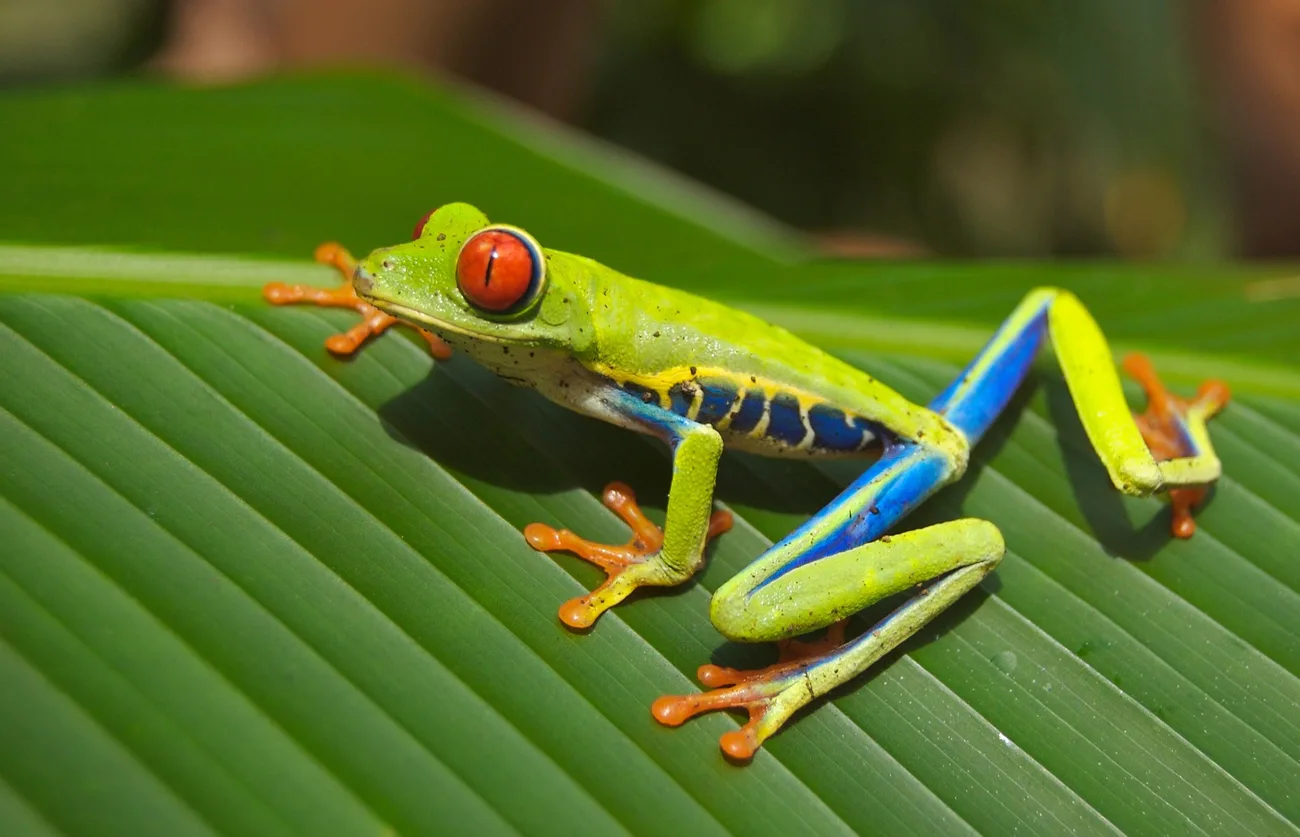
Rainforests, volcanoes, cloud forests, coastlines, and protected areas allow students to observe environmental systems directly. Local guides can explain relationships between species, habitats, tourism, agriculture, and conservation in ways that connect scientific concepts to everyday decisions.
Spanish With a Clear Purpose
Students use Spanish in practical situations and hear different voices beyond the classroom recording. Even beginners can greet people, ask simple questions, read signs, and identify foods. The goal is not flawless speech, but willingness to communicate respectfully.
Sustainability Is Part of the Conversation
Renewable energy, protected land, eco-tourism, agriculture, and community initiatives create opportunities to examine sustainability as a set of choices and trade-offs. Students can ask who benefits, what pressures remain, and how policy connects with local action.
Learning Is Active
Wildlife observation, guided hikes, workshops, farms, and community activities keep students engaged. The movement and variety can be especially effective for learners who respond better to direct experience than extended lectures.
Local Knowledge Adds Depth
A destination becomes more meaningful when students learn from people who live and work there. Guides, educators, farmers, conservation professionals, and community hosts can explain local realities that a general travel overview may miss. Their perspectives should remain central rather than being treated as decoration.
The Program Can Serve Several Subjects
Costa Rica supports Spanish, biology, environmental science, geography, global studies, and service learning. Prométour’s Costa Rica: Cultural Tour can be adapted to emphasize language, culture, ecology, or a combination of objectives.
Students Build Confidence
New environments require students to manage routines, communicate, and solve small problems. Supportive adventure activities can also help them recognize their own resilience. The educational value comes from preparation, appropriate challenge, and reflection rather than risk for its own sake.
Teachers Gain a Strong Narrative
A coherent Costa Rica program can follow one central question, such as how communities balance development and conservation. That question links activities across the itinerary and gives students a clear focus for journals, discussions, and final projects.
Local Knowledge Changes the Itinerary
Costa Rica educational travel is strongest when local educators and guides shape how students encounter the country. They can explain seasonal changes, community priorities, conservation challenges, and the difference between a visitor's impression and a resident's experience.
Local expertise also prevents the program from reducing Costa Rica to wildlife and adventure. Schools, farms, research projects, and community organizations reveal how environmental policy intersects with work, education, and development.
Ask Whose Knowledge the Group Is Hearing
Teachers should notice whether interpretation comes only from the tour industry or includes people connected to the place being discussed. A range of voices helps students understand that sustainability is not a simple success story. It involves choices, disagreements, and practical constraints that are best understood through local context.
Local Expertise Makes Environmental Learning More Precise
Costa Rica’s biodiversity is impressive, but students learn more when local educators explain how ecosystems, agriculture, conservation policy, and community livelihoods intersect. A forest is not simply a collection of species. It is also a site of scientific research, economic decision-making, and debate about land use.
Teachers should look for programs that allow students to compare environments rather than visit them as isolated attractions. Cloud forest, coast, farm, and urban community experiences create a stronger understanding of how geography shapes both biodiversity and daily life.
What Makes the Experience Educational
For teachers, the experience becomes most valuable when students know what evidence to look for and how the experience connects to work already completed in class. A focused question, a short observation task, and a purposeful discussion afterward can turn the topic into learning that students can explain in their own words.
For another teacher-focused perspective, read 10 Reasons Costa Rica Is an Exceptional Student Travel Destination.
For background research, teachers can consult official sources such as Costa Rica’s national parks service (SINAC) and the official Costa Rica tourism board.
Frequently asked questions
What grade levels are Costa Rica student trips suitable for?
Because Prométour builds every itinerary privately for a single group, the pacing and content are set to match the class, from middle-school groups to senior students. A teacher shapes the academic focus, so the same route can serve a beginner Spanish class or an advanced one.
How far ahead should teachers plan Costa Rica student trips?
Most group leaders start nine to twelve months out, which leaves room to confirm dates, fundraise, and align the route with the curriculum. You can request a custom quote and a draft itinerary early, then adjust it as enrolment settles. See the trip page for a starting point.
Will students actually use their Spanish on the trip?
That is the point of a private itinerary. Guided visits, homestays, and everyday interactions are built in so students practise Spanish in real settings rather than only in the classroom.
Bringing it into the classroom: the strongest Costa Rica trips start from a clear curriculum goal, not a checklist of sights. Decide what you want students to understand in your Spanish unit, then let the itinerary serve that goal. A private, custom plan makes that alignment possible, and you can shape it directly on the trip page.