













20 Educational Reasons to Visit Québec With Your Students
Quebec student trip gives teachers a focused way to connect curriculum goals with authentic experience. Québec gives students a distinctive combination of French immersion, Canadian history, cultural identity, urban geography, and seasonal learning. For teachers, the strongest value comes from connecting each experience to a clear question, practical task, or reflection.
Quick answer: Prométour plans private, custom French student trips in Québec that are built around one class and one set of learning goals, so the itinerary, group size, and academic focus fit what a teacher actually needs.
Quebec student trip gives teachers a focused way to connect curriculum goals with authentic experience. Québec gives students a distinctive combination of French immersion, Canadian history, cultural identity, urban geography, and seasonal learning. For teachers, the strongest value comes from connecting each experience to a clear question, practical task, or reflection.
French That Students Can Use
Québec gives language students an accessible immersion environment in North America. Ordering food, reading signs, asking questions, and listening to local speech show students that French is a living language used in daily life. The experience can motivate learners who have only encountered French through classroom exercises.
A Visible French and British History
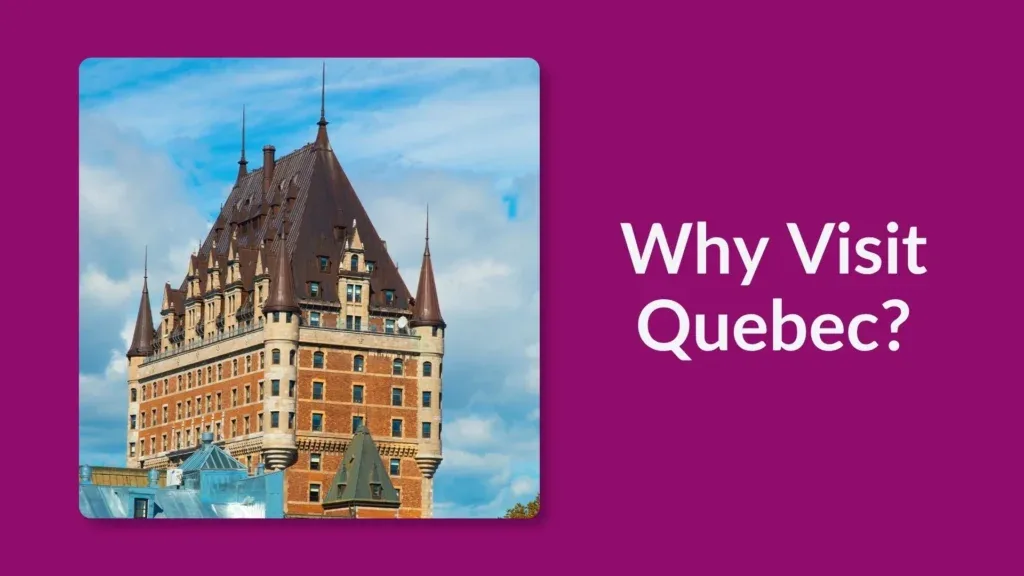
Old Québec, fortifications, battlefields, churches, and civic buildings help students examine the meeting of French, British, Indigenous, and North American histories. Sites can support discussions about empire, conflict, language policy, migration, and the development of Canada.
Distinctive Urban Geography
Montréal and Québec City offer contrasting urban forms. Students can compare a major multicultural metropolis with a smaller historic capital. Transit systems, neighbourhoods, waterfronts, public spaces, and architecture provide evidence for geography and social-studies assignments.
Culture Through Food and Daily Life
Maple products, markets, bakeries, regional dishes, and café culture give students a practical way to explore identity. Food vocabulary also creates a low-pressure opportunity for language use. Teachers can ask students to document how menus reflect climate, agriculture, and cultural exchange.
Winter as an Educational Theme
Québec’s winter climate shapes transportation, recreation, architecture, festivals, and daily routines. A winter tour can support science and geography while also introducing traditions such as the Québec Winter Carnival, maple taffy, and outdoor activities.
Arts, Music, and Public Culture
Murals, museums, performance venues, festivals, and public art demonstrate how Québec expresses identity through culture. Students can examine how French-language media and artistic institutions contribute to a distinct cultural environment within Canada.
Indigenous Perspectives
Responsible programs can include learning led by Indigenous communities, including the Huron-Wendat Nation at Wendake. These experiences help students understand contemporary Indigenous identity, governance, language revitalization, and the importance of learning from community voices.
Science and Technology
Science centres, environmental sites, hydroelectricity, transportation systems, and urban sustainability projects provide strong STEM connections. Students can investigate how Québec responds to climate, energy demand, infrastructure, and environmental protection.
A Manageable First Educational Tour
For many North American schools, Québec offers international-style language and cultural learning with relatively manageable travel logistics. It can be an effective first tour for students and teachers who are building confidence before a longer overseas program.
Ten More Reasons Students Remember Québec
Students often remember walking within fortified Old Québec, hearing French around them, using the Montréal Metro, seeing the St. Lawrence River, trying regional foods, comparing neighbourhoods, meeting local guides, studying Canadian politics, experiencing seasonal traditions, and discovering that meaningful cultural difference can be close to home.
Build the Program Around Your Curriculum
Prométour’s Quebec: Classic Tour provides a flexible starting point. Teachers can strengthen French immersion, history, arts, STEM, Indigenous learning, or urban geography depending on the group’s objectives. The value comes from choosing fewer meaningful experiences and connecting each one to a clear learning question.
Québec Makes Language Social and Historical
A Quebec student trip gives French learners a chance to hear how language changes across place, age, and context. Students encounter French in cafés, museums, neighbourhoods, signs, and public announcements. They also see how language policy and identity influence everyday life.
For history and social studies groups, Québec offers visible layers of Indigenous, French, British, Canadian, and North American history. Fortifications, religious institutions, industrial districts, and contemporary public spaces allow students to ask who shaped the province and how competing identities continue to coexist.
Choose Experiences That Require Participation
The strongest programs include moments when students must do something with what they know. They might interview a guide in French, compare two neighbourhoods, decode a menu, analyze a memorial, or explain how geography influenced settlement. Participation transforms the destination from background scenery into evidence.
How to Build Deeper Understanding
For teachers, the experience becomes most valuable when students know what evidence to look for and how the experience connects to work already completed in class. A focused question, a short observation task, and a purposeful discussion afterward can turn the topic into learning that students can explain in their own words.
For another teacher-focused perspective, read The Best Educational Places to Visit in Québec City.
For background research, teachers can consult official sources such as Parks Canada and Tourisme Montréal.
Frequently asked questions
What grade levels are Québec student trips suitable for?
Because Prométour builds every itinerary privately for a single group, the pacing and content are set to match the class, from middle-school groups to senior students. A teacher shapes the academic focus, so the same route can serve a beginner French class or an advanced one.
How far ahead should teachers plan Québec student trips?
Most group leaders start nine to twelve months out, which leaves room to confirm dates, fundraise, and align the route with the curriculum. You can request a custom quote and a draft itinerary early, then adjust it as enrolment settles. See the trip page for a starting point.
Will students actually use their French on the trip?
That is the point of a private itinerary. Guided visits, homestays, and everyday interactions are built in so students practise French in real settings rather than only in the classroom.
Bringing it into the classroom: the strongest Québec trips start from a clear curriculum goal, not a checklist of sights. Decide what you want students to understand in your French unit, then let the itinerary serve that goal. A private, custom plan makes that alignment possible, and you can shape it directly on the trip page.