













QuebecFrenchHistoryArt & ArchitectureMay 7, 2026 | 4 min read
The Best Educational Places to Visit in Québec City
Places to visit in quebec city with students gives teachers a focused way to connect curriculum goals with authentic experience. The best places to visit in Québec City with students reveal how language, geography, military strategy, architecture, and cultural identity interact. The historic center is compact enough for meaningful walking tours, while the surrounding region adds natural landscapes and contemporary Indigenous perspectives.
Quick answer: Prométour plans private, custom French student trips in Québec that are built around one class and one set of learning goals, so the itinerary, group size, and academic focus fit what a teacher actually needs.
QuebecFrenchHistoryArt & ArchitectureMay 7, 2026 | 4 min read
Places to visit in quebec city with students gives teachers a focused way to connect curriculum goals with authentic experience. The best places to visit in Québec City with students reveal how language, geography, military strategy, architecture, and cultural identity interact. The historic center is compact enough for meaningful walking tours, while the surrounding region adds natural landscapes and contemporary Indigenous perspectives.
Old Québec and the Fortifications
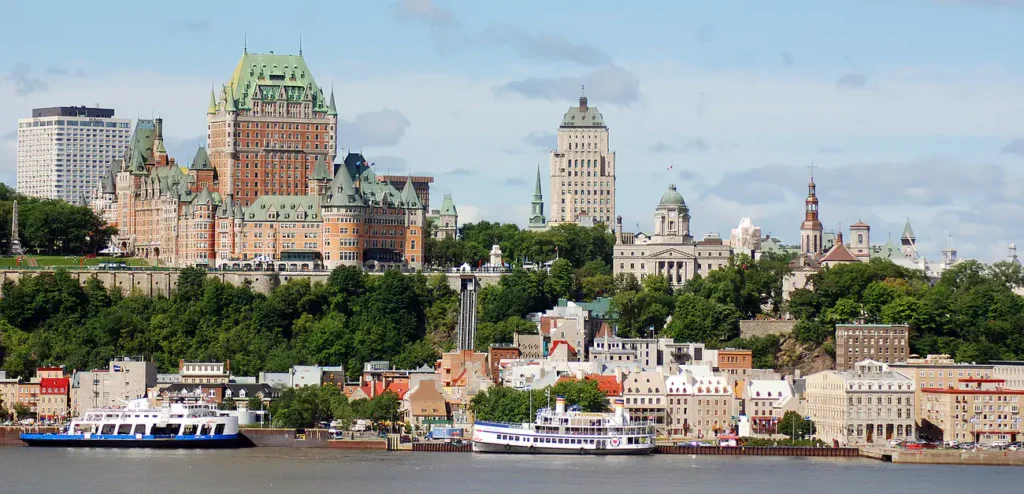
The fortified historic district helps students understand why Québec City developed where it did. Walking the walls and gates supports lessons on defense, trade, topography, and urban growth. Teachers can ask students to identify how the city’s elevated position shaped military planning.
Place Royale
Place Royale introduces early French settlement, commerce, religious life, and architectural preservation. Its scale helps students imagine daily life more effectively than a large monument. The area is also useful for discussing how historic districts are restored and presented to visitors.
The Plains of Abraham
This landscape connects geography with the history of the Seven Years’ War and the 1759 battle that influenced the future of New France. Students should examine the event from multiple perspectives and avoid reducing the history of Québec to one military encounter.
The Musée de la civilisation
The museum offers a broad entry point into Québec society, identity, culture, and social change. Exhibitions vary, so teachers should review current programming and align the visit with a focused question or assignment.
The National Assembly
A visit to Québec’s legislature can support civics, government, and French-language learning. Students can compare provincial institutions with those in their own jurisdiction and examine how architecture communicates political identity.
Montmorency Falls
Located outside the historic center, Montmorency Falls adds physical geography and environmental observation to the itinerary. Students can investigate erosion, river systems, seasonal change, and the relationship between natural attractions and regional tourism.
Wendake
A community-led visit to Wendake can introduce students to contemporary Huron-Wendat identity, history, and cultural continuity. Teachers should frame Indigenous communities as living societies rather than treating them only as part of the colonial past.
Winter Experiences
Québec City’s winter season offers additional lessons through the Winter Carnival, snow-based activities, and the Hôtel de Glace. These experiences show how communities adapt to climate and build cultural traditions around it.
Build a Balanced Québec City Itinerary
Prométour’s Canada Ottawa, Montreal & Quebec City itinerary offers a broader Canadian context, while Québec-focused programs can spend more time on language immersion and local history. The best choice depends on curriculum, season, travel time, and the depth teachers want in each city.
Explore Prométour’s Canada Ottawa, Montreal & Quebec City as a customizable starting point for your group.
Québec City Works Best as a Connected Historical Landscape
The best places to visit in Quebec City with students should not be treated as isolated attractions. Fortifications, religious institutions, public squares, museums, and the river all contribute to the story of why the city developed where it did and how power shifted over time.
Walking between sites helps students see scale and relationship. The distance from the upper town to the port, the position of defensive walls, and the visibility of the river provide evidence that a classroom map can only suggest.
Build the Day Around Contrasting Perspectives
A balanced program should include more than colonial architecture. Indigenous history, French and British power, religion, trade, class, and contemporary Québec identity all deserve attention. The most effective itinerary asks students to compare interpretations and recognize that the city's heritage is both celebrated and debated.
Connect Sites Through a Common Theme
Québec City’s educational value increases when students understand how sites relate to one another. Fortifications, religious institutions, public squares, government buildings, and the river all reveal different aspects of colonial power, defence, trade, and identity.
Rather than treating each stop as a separate attraction, teachers can ask students to trace one theme through the day. Language, military strategy, urban design, or French-British relations can provide the thread that connects the itinerary.
Turning the Topic Into Meaningful Learning
For teachers, the experience becomes most valuable when students know what evidence to look for and how the experience connects to work already completed in class. A focused question, a short observation task, and a purposeful discussion afterward can turn the topic into learning that students can explain in their own words.
For another teacher-focused perspective, read 20 Educational Reasons to Visit Québec With Your Students.
For background research, teachers can consult official sources such as Parks Canada and Tourisme Montréal.
Frequently asked questions
What grade levels are Québec student trips suitable for?
Because Prométour builds every itinerary privately for a single group, the pacing and content are set to match the class, from middle-school groups to senior students. A teacher shapes the academic focus, so the same route can serve a beginner French class or an advanced one.
How far ahead should teachers plan Québec student trips?
Most group leaders start nine to twelve months out, which leaves room to confirm dates, fundraise, and align the route with the curriculum. You can request a custom quote and a draft itinerary early, then adjust it as enrolment settles. See the trip page for a starting point.
Will students actually use their French on the trip?
That is the point of a private itinerary. Guided visits, homestays, and everyday interactions are built in so students practise French in real settings rather than only in the classroom.
Bringing it into the classroom: the strongest Québec City trips start from a clear curriculum goal, not a checklist of sights. Decide what you want students to understand about language, history, or identity, then let the itinerary serve that goal. A private, custom plan makes that alignment possible, and you can shape it directly on the trip page.