

PeruHistoryArt & ArchitectureMarch 16, 2016 | 4 min read
8 Remarkable Places That Help Students Understand Peru
An educational trip to Peru can connect history, geography, language, ecology and living culture within one destination. Students encounter the legacy of the Inca Empire, the continuing traditions of Indigenous communities, dramatic changes in altitude and some of the most biodiverse environments on Earth. These eight places help teachers turn Peru into a layered learning experience rather than a checklist of famous sights.
Quick answer: Prométour plans private, custom history student trips in Peru that are built around one class and one set of learning goals, so the itinerary, group size, and academic focus fit what a teacher actually needs.
An educational trip to Peru can connect history, geography, language, ecology and living culture within one destination. Students encounter the legacy of the Inca Empire, the continuing traditions of Indigenous communities, dramatic changes in altitude and some of the most biodiverse environments on Earth. These eight places help teachers turn Peru into a layered learning experience rather than a checklist of famous sights.
1. Lima: history, migration and modern Peru
Lima is often treated as a gateway, but it deserves attention as a teaching destination. Its historic centre reflects Spanish colonial power, while museums and archaeological sites reveal civilizations that flourished long before the arrival of Europeans.
Students can compare the colonial city with contemporary neighbourhoods and consider how migration from across Peru has shaped the capital’s food, language and identity. This makes Lima a useful introduction to the idea that modern Peru is both ancient and constantly changing.
2. Cusco: an Inca capital beneath a colonial city
Cusco allows students to read history directly in the built environment. Inca stone foundations support later Spanish churches and civic buildings, making conquest and cultural continuity visible within the same streets.
Teachers can use the city to discuss imperial administration, religious change, architecture and the ways Indigenous communities preserved practices despite colonial pressure. The contrast between precise Inca masonry and Spanish construction creates an immediate visual lesson.
3. The Sacred Valley: agriculture and adaptation
The Sacred Valley shows how communities adapted farming to high-altitude landscapes. Terraces, irrigation systems and carefully selected crops demonstrate scientific knowledge developed through observation over generations.
For STEM and geography students, the valley supports discussions about microclimates, soil management and sustainable agriculture. For language and social studies classes, markets and villages offer opportunities to examine how Quechua traditions remain part of daily life.
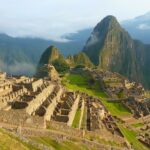
4. Machu Picchu: evidence, interpretation and unanswered questions
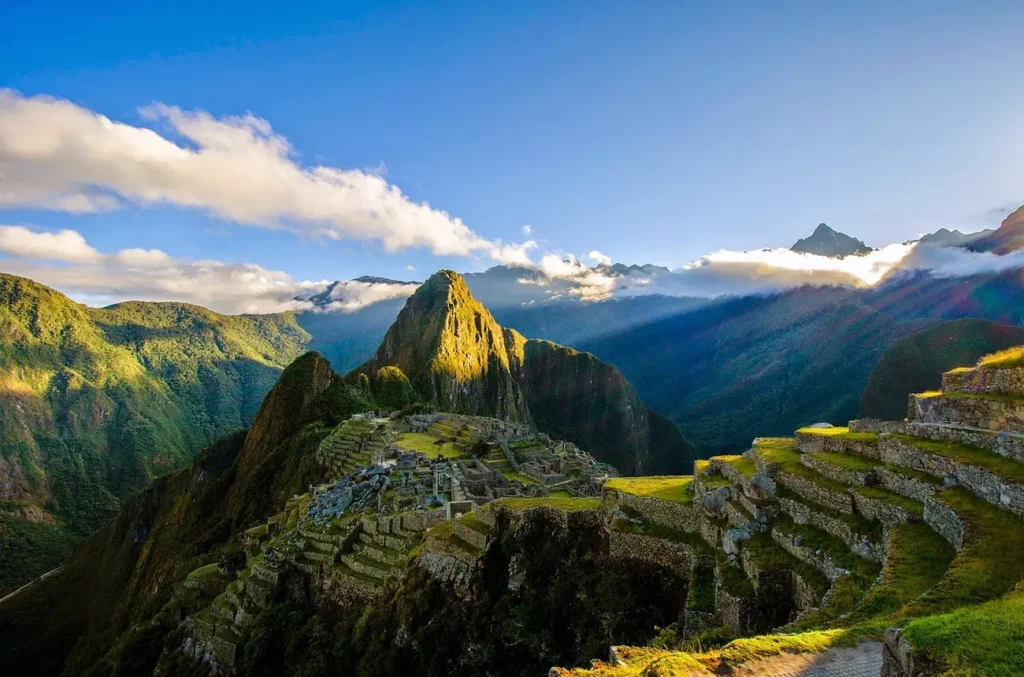
Machu Picchu is visually extraordinary, but its greatest educational value comes from the questions it raises. Students can examine what archaeologists know, what remains uncertain and how evidence is used to construct explanations about the past.
The site’s location also encourages discussion of engineering, water management and environmental adaptation. Prométour’s Peru: Discover Peru itinerary connects Machu Picchu with Cusco, the Sacred Valley and other locations that provide essential context.
5. Lake Titicaca: culture at high altitude
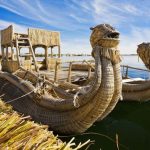
Lake Titicaca sits more than 3,800 metres above sea level and has long supported communities with distinct traditions and livelihoods. A visit can help students understand how altitude, climate and access to resources influence settlement and daily life.
Teachers should frame cultural encounters carefully, emphasizing that communities are living societies rather than displays from the past. Students can explore how tourism creates both opportunities and challenges for local residents.
6. Arequipa and the Colca region: geology and colonial history
Arequipa’s volcanic stone architecture gives the city a distinctive appearance, while nearby landscapes reveal the geological forces that shaped southern Peru. The Colca region adds lessons in canyon formation, agriculture and Andean wildlife.
This combination makes the area particularly valuable for interdisciplinary groups. A single day can connect plate tectonics, colonial urban planning, rural economies and conservation.
7. The Amazon: biodiversity and interdependence
Peru contains a large portion of the Amazon rainforest. Students can investigate how species depend on one another, how forests influence global climate systems and why conservation decisions affect both local communities and the wider world.
A responsible educational visit should focus on observation and evidence. Field notes, species identification and discussions with local guides can help students understand biodiversity as a complex system rather than a collection of exotic animals.
8. Local markets and community experiences
Some of the strongest learning happens away from monumental sites. Markets, workshops and community visits allow students to observe food systems, textiles, languages and patterns of exchange.
These experiences also encourage students to practise respectful curiosity. They can ask how products are made, what symbols mean and how traditions change over time. When guided well, everyday encounters help students see Peru as a living country rather than only the home of the Incas.
Building curriculum connections before and after travel
Before departure, students can study a regional map, compare primary and secondary sources and develop questions tied to their subject. During the trip, they can gather evidence through notes, sketches and photographs. After returning, a project that connects several locations can help them explain how geography, history and culture influence one another.
This approach gives the itinerary a clear academic purpose while preserving the sense of discovery that makes Peru so compelling.
Reading Peru Through Contrasting Landscapes
Peru becomes more meaningful when students compare places rather than collect landmarks. Lima introduces colonial power, migration, and contemporary urban life. The Sacred Valley shows how agriculture, altitude, and community organization shape daily routines. Machu Picchu raises questions about engineering, state power, conservation, and the modern tourism economy. The Amazon adds an entirely different environmental and cultural frame.
A teacher can turn those contrasts into a simple inquiry: how does geography shape the choices people make? Students can track housing, food, transportation, language, and land use in each region. By the end of the trip, Peru is no longer a single destination in their minds. It becomes a country of overlapping histories and environments.
Moving Beyond the Famous Photograph
The best educational trip to Peru gives students time to look past the iconic view. A market visit can lead to questions about regional crops and informal economies. A textile demonstration can open discussion about symbolism, labour, and cultural continuity. A conversation with a local guide can complicate the simplified stories students encountered before departure. These moments help students understand that Peru's heritage is living, debated, and connected to present-day communities.
A Practical Teacher Perspective
For teachers, the experience becomes most valuable when students know what evidence to look for and how the experience connects to work already completed in class. A focused question, a short observation task, and a purposeful discussion afterward can turn the topic into learning that students can explain in their own words.
For another teacher-focused perspective, read Why Ecuador Creates Eye-Opening Learning for Students.
For background research, teachers can consult official sources such as UNESCO World Heritage Centre and the official Machu Picchu ticket service.
Frequently asked questions
What grade levels are Peru student trips suitable for?
Because Prométour builds every itinerary privately for a single group, the pacing and content are set to match the class, from middle-school groups to senior students. A teacher shapes the academic focus, so the same route can serve a beginner history class or an advanced one.
How far ahead should teachers plan Peru student trips?
Most group leaders start nine to twelve months out, which leaves room to confirm dates, fundraise, and align the route with the curriculum. You can request a custom quote and a draft itinerary early, then adjust it as enrolment settles. See the trip page for a starting point.
How is a private group trip different from an off-the-shelf tour?
A private itinerary is built around one class rather than pooled with strangers, so the schedule, academic focus, and group size fit the teacher’s goals. That control is the core of how Prométour works.