











Germany/AustriaGermanAugust 16, 2018 | 6 min read
Back to School Around the World (Lesson Plan Included!)
Back to school around the world can look very different from one country to another. Comparing calendars, uniforms, classroom routines, and student life gives teachers an engaging way to introduce culture and global awareness. The rituals and traditions surrounding the first day of school reveal something substantive about what a society values in education and childhood.
Here is how six countries around the world begin the academic year. Along with a classroom activity that uses these traditions as a springboard for student research and discussion. WWI memorial sites make some of the most powerful destinations available for a history student trip.
What Back to School Around the World Can Teach Students
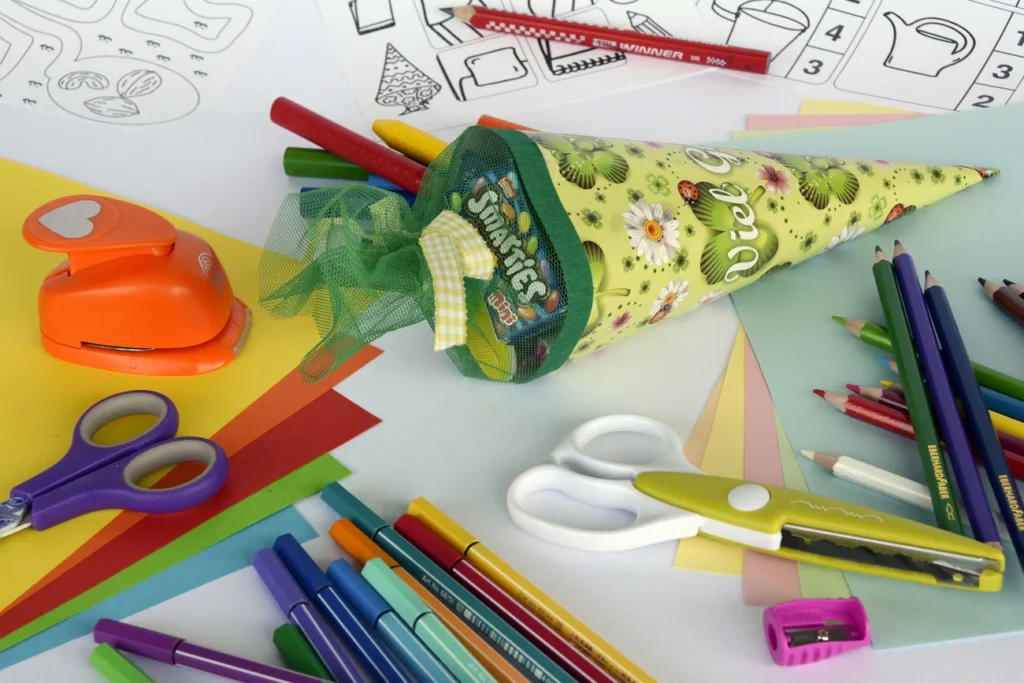
For over 200 years, German children beginning primary school have received aSchultüteon their first day.
A large, decorated paper cone filled with sweets, small toys, and school supplies. The tradition dates to the early 19th century in Saxony and Thuringia and has since spread across Germany and Austria. TheSchultüteis meant to make the first day of school sweeter and to mark the beginning of a new chapter.
Families customise the cones with the child’s interests. Photographs with theSchultüteare among the most cherished family memories in German culture.
For students learning German, the tradition is a natural conversation starter about how the language encodes cultural values. Schule(school) plusTüte(bag or cone) produces a compound noun that is itself a small lesson in how German builds meaning. Prométour’s Germany: Classic Tour visits schools and cultural institutions that bring these traditions to life for North American student groups.
Russia: Knowledge Day
Russia designates September 1st asDen Znaniy, the Day of Knowledge.
A nationally observed first day of school marked by formal ceremonies across the country. Students dress formally, arrive at school with bouquets of flowers for their teachers, and receive colourful balloons in return. The school day begins with speeches, music. Dancing rather than lessons. For older students beginning or returning to school, the Day of Knowledge is an occasion for reflection on learning itself. The tradition reflects a cultural seriousness about education that is embedded in Russian public life and connects to discussions of how different societies value and celebrate academic achievement.
Japan: The Spring Start
Japan begins its school year in early April rather than September, timed to coincide with the cherry blossom season. Japanese children entering school for the first time receive theirrandoseru, a structured.
Hard-sided leather backpack traditionally red for girls and black for boys, though contemporary variations come in a range of colours. Therandoseruis designed to last the full six years of primary school and is a significant family purchase.
Japan’s school year is among the longest in the world at approximately 250 days. Three semesters and shorter summer breaks than most Western countries. For social studies students comparing education systems, Japan is a productive case study.
South Korea: Academic Pressure and Community Support
South Korea’s educational culture is among the most academically intensive in the world. The university entrance examination, thesuneung, is a national event of such significance that the government reschedules flights to reduce noise during the listening portion. Police provide escorts for students who are running late.
Back-to-school in South Korea is accompanied by community expectations about academic achievement that shape everything from how parents spend their evenings to how neighbourhoods are organised around access to private tutoring academies (hagwon). For students studying globalisation and comparative education, South Korea illustrates how cultural values shape educational systems in ways that have significant consequences for individuals and communities.
Ghana: Community and Uniform
In Ghana, the start of the school year is marked by the wearing of school uniforms. Are colour-coded by school and worn with considerable pride. Families invest significantly in preparing uniforms and supplies for the new year. The first day of school often involves community celebrations in addition to school ceremonies.
Education in Ghana is deeply valued as a pathway to social mobility. The first day of school is a communal as well as individual milestone. For social studies students, the contrast between the individualistic back-to-school shopping culture of North America and the community-centred Ghanaian tradition opens a productive discussion about what back-to-school rituals reveal about social values.
Brazil: Carnaval and the Academic Calendar
Brazil’s school year begins in February, after the country-wide Carnaval celebrations that mark the end of the Southern Hemisphere’s summer. The timing means that the academic year starts when the country is already energised from one of its most important cultural events. The transition from celebration to study is a recognised shift in the national rhythm.
Brazilian schools vary significantly by region and by public or private status. The back-to-school experience in São Paulo is different from that in the Amazon basin. For geography students, Brazil’s educational geography, the differences between urban and rural, coast and interior. North and south, makes a productive research topic.
Classroom Activity: Back-to-School Around the World
A productive classroom activity using these traditions as a starting point. Assign each student or small group a country not covered above and ask them to research that country’s back-to-school traditions, school calendar. One aspect of the educational system that differs significantly from their own.
Groups then present their findings and the class compiles a world map of school year start dates and notable traditions. For language classes, the activity can be conducted in the target language. Students researching French-speaking, Spanish-speaking, or German-speaking countries specifically. The resulting discussion, about what school is for, who it serves. How societies organise knowledge and childhood, tends to be one of the richer conversations a social studies or language class can have.
Prométour builds fully private, custom school group tours to Germany and Austria that include visits to schools, cultural institutions. Community settings where students can observe and participate in German-speaking daily life. Browse theGermany: Classic Tour, Germany: Adventure Tour. Or Austria: Music Tour to see what a customised itinerary could look like.