




SpainCosta RicaSTEMSeptember 24, 2015 | 3 min read
Why Costa Rica is Perfect for Biology Science Curriculums
A Costa Rica biology trip gives students direct access to rainforests, biodiversity, conservation projects, and living ecosystems. Field observation helps students connect classroom concepts with species, habitats, and environmental challenges they can see firsthand. It generates more than 98% of its electricity from renewable sources, has reforested significant portions of land cleared in the mid-20th century.
Has set a national goal of carbon neutrality. For biology, environmental science, and earth science teachers, it is a field classroom that North America cannot replicate. There are compelling educational reasons to bring students on a Costa Rica student trip.
Why a Costa Rica Biology Trip Supports Field Learning
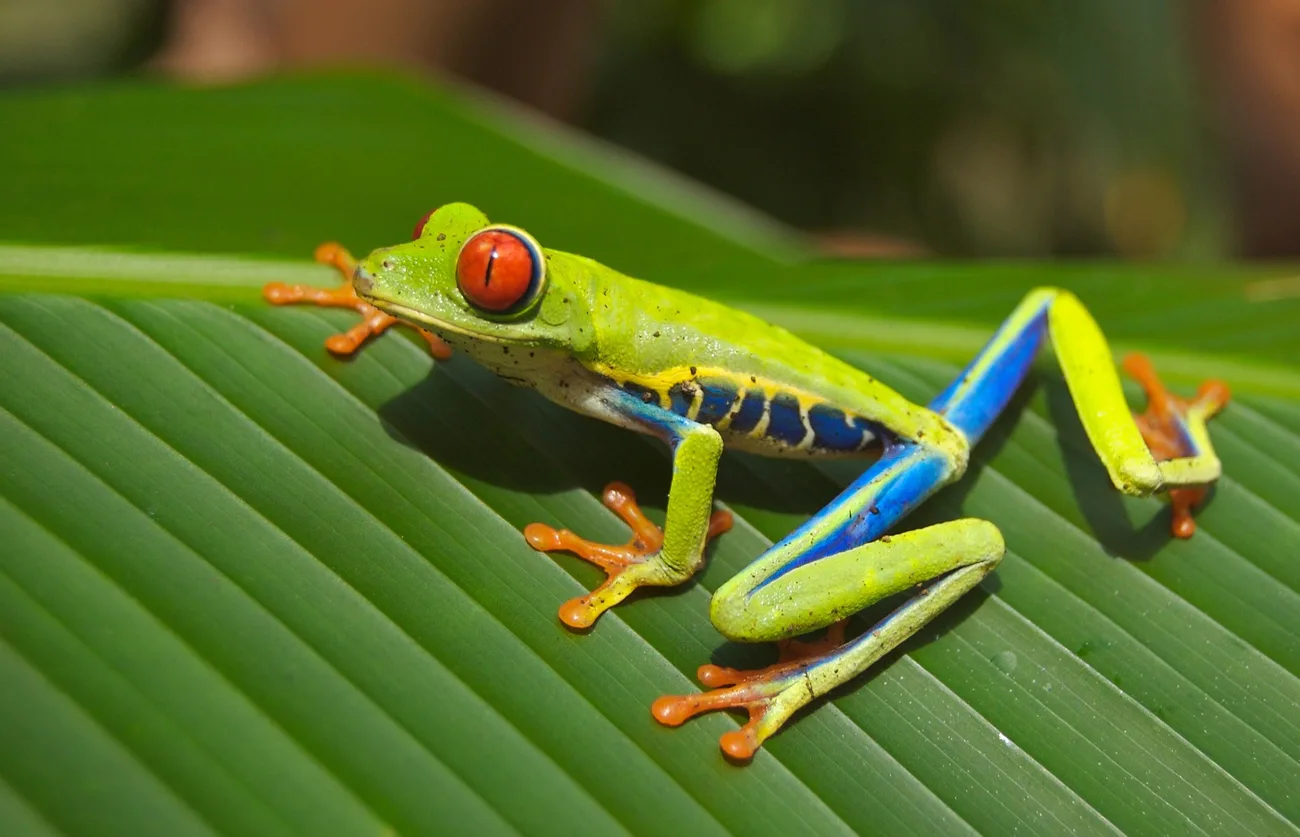
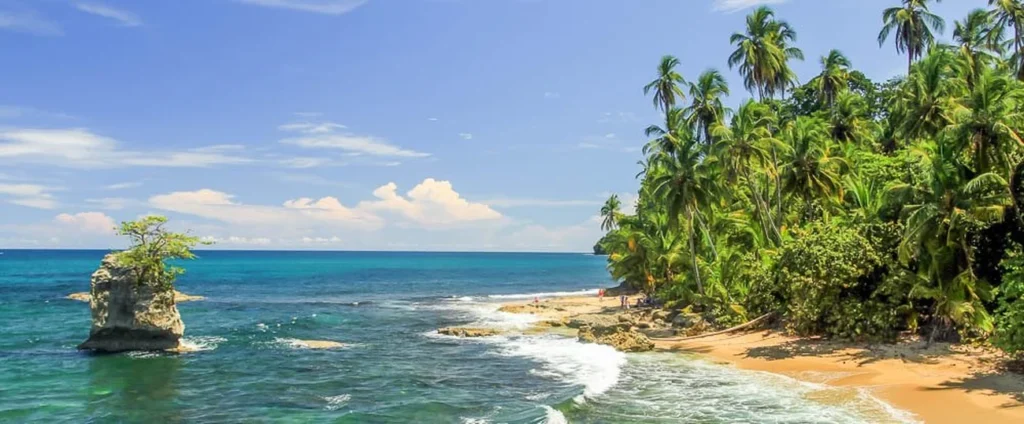
The species density of Costa Rica is among the highest on Earth. In a single morning hike through Manuel Antonio National Park, a student might encounter white-faced capuchin monkeys, sloths, iguanas, scarlet macaws. Dozens of species of butterflies. The cloud forests of Monteverde support entirely different ecosystems at elevation.
Resplendent quetzals, glass frogs, and epiphyte-covered trees that exist nowhere else in the accessible student travel circuit. This is not zoo wildlife or managed wildlife encounters. It is the actual ecological reality of a country that has protected 23.4% of its land area as national parks and reserves.
The highest percentage of protected land of any country in the world. For biology students who have studied ecosystems, food webs. Species adaptation in the classroom, Costa Rica provides the field experience that makes those concepts immediate and permanent.
Active Volcanoes as Earth Science
Costa Rica has six active volcanoes. Visiting them with students is one of the most direct ways to make earth science curriculum tangible. Arenal volcano, in the northern lowlands, erupted continuously from 1968 to 2010 and its geothermal activity continues to feed hot springs in the surrounding area.
The springs are heated by volcanic activity beneath the surface. Gives teachers a direct, visible, and physically engaging example of geothermal energy transfer. Poás volcano, near San José, has one of the largest active craters in the world and is accessible by road. Allowing students to observe a volcanic landscape at close range in a way that most earth science programmes never achieve. Our Costa Rica: STEM, Biology and Ecology Tour is specifically built around these volcanic and ecological sites.
Renewable Energy as Policy and Practice
Costa Rica generates more than 98% of its electricity from renewable sources. Approximately 74% from hydroelectric, with the remainder from geothermal, wind. Solar. The country has run for months at a time on 100% renewable energy. For environmental science and social studies teachers, this makes Costa Rica a uniquely productive case study in how a small.
Resource-limited country can build an energy system that larger and wealthier countries have not yet achieved. Students can see the evidence of these decisions in the landscape around them. The rivers that power the hydroelectric plants, the geothermal activity at the volcanoes, the wind turbines in Guanacaste.
The policy discussion is grounded in a physical reality that students have walked through. Changes the quality of the argument they can make when they return to the classroom.
Rainforest Ecology in the Field
A guided hike through any of Costa Rica’s rainforest reserves, whether Corcovado, Tortuguero. Or the Osa Peninsula, gives students access to forest floor ecology that cannot be replicated in a classroom or a zoo. A skilled naturalist guide can identify species by sound before they are visible.
Explain the relationships between epiphytes and host trees, point out the nesting habits of leaf-cutter ants. Trace the nutrient cycling that makes tropical rainforest soils different from temperate ones. For biology students who have studied ecosystems, nutrient cycles. Food webs in the classroom, a morning in the rainforest with a guide who has spent years learning to read the forest is one of the most substantive single learning experiences available in educational travel.
Sea Turtle Conservation at Tortuguero
Tortuguero National Park on the Caribbean coast is one of the most important sea turtle nesting sites in the Western Hemisphere, particularly for green turtles. The Sea Turtle Conservancy, headquartered near the park, has been monitoring turtle populations and conducting conservation research at Tortuguero since 1959. Making it one of the longest-running conservation programmes in the world.
Students can visit the conservancy, learn about sea turtle biology and the threats facing nesting populations. And, during nesting season (June through October), observe or assist with nest monitoring. For biology students studying wildlife conservation, population dynamics, or marine biology, Tortuguero provides a field experience with genuine scientific value.
Coffee and Cacao as Practical Science
Visiting a working coffee or cacao farm in Costa Rica is both a cultural and a scientific experience. The process of fermenting, drying, and roasting cacao involves biochemical transformations that connect directly to chemistry curriculum. Coffee cultivation at altitude, in Costa Rica the most prized coffee growing regions are between 1.
200 and 1,800 metres above sea level, involves discussions of soil chemistry, microclimate. Selective breeding of varietals. For biology and chemistry students, a farm visit that includes the full production chain from plant to product provides a curriculum connection that is direct, comprehensible, and memorable.
Prométour offers dedicated STEM and biology itineraries for Costa Rica, built around the ecological, geological. Environmental science experiences that make the country a uniquely productive destination for science teachers. Browse theCosta Rica: STEM, Biology and Ecology Touror the Costa Rica: Adventure Tour to see what a science-focused itinerary could look like for your group. The curriculum connections and logistical support available make this one of the most rewarding programmes to build.