










Costa RicaSTEMNovember 16, 2018 | 4 min read
Costa Rica - Top Sites for STEM Students
A Costa Rica STEM trip connects science, technology, engineering, and mathematics with volcanoes, biodiversity, research, renewable energy, and conservation. The country gives students several ways to investigate real systems outside the classroom. 23.4% of the country is protected national park land, the country leads the world in renewable energy use.
The biodiversity accessible within a two-hour radius of San José is greater than what most field trips in North America can offer in a year. Here are the STEM activities and sites that deliver the most for student groups. There are compelling educational reasons to bring students on a Costa Rica student trip.
Why a Costa Rica STEM Trip Works Across Disciplines
Tortuguero National Park, on the Caribbean coast, is one of the most important nesting sites in the Western Hemisphere for green sea turtles. The name comes from the Spanish word for turtle,tortuga. And the park’s 22 kilometres of Caribbean beach serve as nesting ground for four sea turtle species during various seasons. The Sea Turtle Conservancy, the oldest sea turtle research organisation in the world. Operates its headquarters near the park and welcomes student groups for educational visits.
Students can learn about sea turtle biology, nesting behaviour. The conservation work that has helped stabilise populations after decades of decline. During nesting season, from June through October, groups can observe nesting or hatching with a trained guide. For marine biology and conservation programmes, Tortuguero provides a field experience with direct curriculum relevance and lasting impact. Our Costa Rica: STEM, Biology and Ecology Tour includes time at Tortuguero.
Reforestation Projects
Costa Rica lost more than a third of its forest cover in the mid-20th century to agricultural clearing. Has since reversed the trend through a combination of government policy and private conservation initiatives. The country now has more forest cover than it did 30 years ago.
A reversal that is studied in environmental policy programmes as a model of successful ecosystem restoration. Student groups can participate in reforestation activities at farms and community projects across the country. Planting native tree species alongside local environmental workers. For environmental science and biology teachers, the activity provides a direct connection to the curriculum topics of ecosystem restoration, deforestation. Carbon sequestration, while giving students a tangible contribution to make to the place they are visiting.
The Café Britt Coffee Tour
Costa Rica has been producing coffee since the early 19th century. Its high-altitude growing regions, particularly the Central Valley, produce beans recognised among the finest in the world. The Café Britt farm and production facility near Heredia offers a comprehensive tour of the coffee production process. From the agricultural cycle of the coffee plant through harvesting, fermentation, drying, hulling, roasting.
Cupping. For chemistry students, the fermentation and roasting processes involve biochemical transformations that connect directly to the curriculum. For geography and economics students, the coffee supply chain from farm to export market is one of the most comprehensively documented in global commodity trade. The tour is professionally designed for educational groups and typically includes sensory tasting activities that make the science of flavour development tangible.
The Cloud Forests of Monteverde
The Monteverde and Santa Elena Cloud Forest Reserves sit at elevations between 1,400 and 1,800 metres. Temperature and humidity conditions support a permanently misty ecosystem that is distinct from the rainforests below. The cloud forests contain over 2,500 plant species, 400 bird species, 100 mammal species.
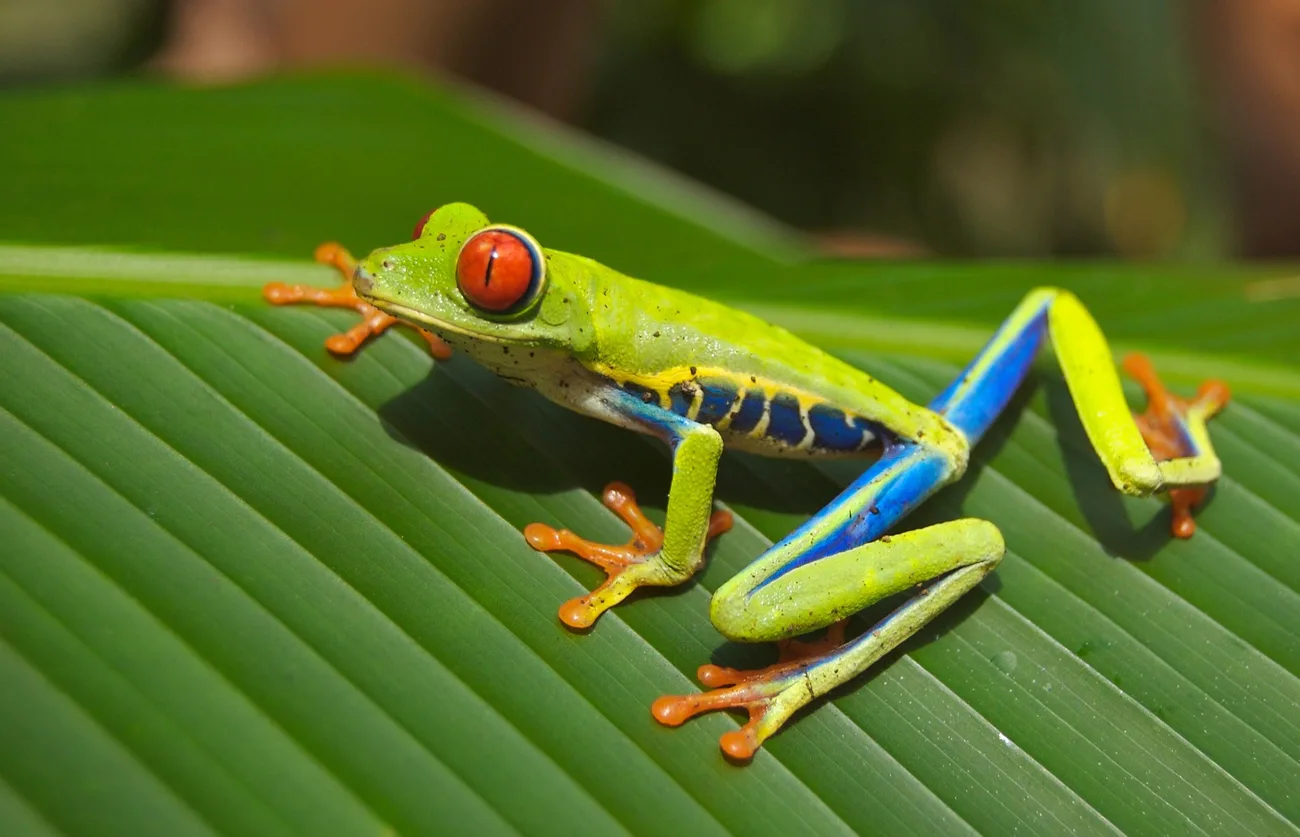
1,200 amphibian and reptile species, including the resplendent quetzal, considered one of the most visually striking birds in the Americas. Walking the reserve trails with a naturalist guide gives students access to ecological niches, canopy epiphytes. Species interactions that cannot be replicated in a temperate field setting. The hanging bridges above the canopy provide a different perspective on the forest structure and are among the most consistently memorable student experiences in Costa Rica.
The Arenal Volcano and Hot Springs
Arenal volcano, in the northern lowlands near the town of La Fortuna. Was one of the most active volcanoes in the Americas from 1968 to 2010 and continues to show geothermal activity. The hot springs that flow from the geothermal heat of the volcano are accessible at several resort complexes near the base and provide a direct.
Physically immediate experience of geothermal energy. For earth science students, Arenal is a productive case study in the relationship between volcanic activity, geothermal energy. The geophysical processes that shape Central American topography. The volcano is also visible from much of the surrounding region. Its near-perfect conical shape a constant reminder of the geological forces that created the landscape.
The Butterfly Gardens and Insectariums
Several butterfly farms and insectariums near Monteverde and La Fortuna are open to educational groups and provide a controlled environment in which to study insect biology, metamorphosis, and biodiversity. The La Paz Waterfall Gardens, in the Central Valley, includes a butterfly observatory, hummingbird garden, reptile exhibit. Big cat sanctuary alongside its five cascading waterfalls.
For biology teachers looking for a site that covers multiple taxonomy groups in a single visit. La Paz provides a structured alternative to unguided wildlife viewing in the national parks. The butterfly lifecycle, from egg through caterpillar and chrysalis to adult, can be observed directly in these managed environments. Making it one of the clearest demonstrations of metamorphosis available outside a laboratory.
Renewable Energy Infrastructure
Costa Rica generates more than 98% of its electricity from renewable sources. Making it one of the few countries in the world that has effectively decarbonised its electricity grid. The hydroelectric reservoirs in the Central Valley, the geothermal plants at Miravalles and Las Pailas. The wind farm at Tejona in Guanacaste are all visible components of a national energy system that has become a case study in global environmental policy discussions.
For environmental science and social studies teachers, driving through the country and seeing these installations in the landscape provides a physical context for the policy discussion that no classroom presentation can replicate. Our Costa Rica: Adventure and Volunteering Tour incorporates community and environmental engagement throughout the itinerary.
Prométour builds fully private, custom STEM itineraries for Costa Rica, designed around the ecological, geological. Conservation sites that make the country one of the most productive science destinations in the world. Browse theCosta Rica: STEM, Biology and Ecology TourorCosta Rica: Adventure and Volunteering Tourto see what a science-focused itinerary looks like. The curriculum connections and logistical support available make this one of the most rewarding programmes to build.