








ItalyHistoryItalianArt & ArchitectureJuly 21, 2026 | 4 min read
Italy Educational Tours: Learning Through Place
Italy educational tours help students understand how civilizations leave visible traces. Roman streets, Renaissance churches, civic squares, family-run businesses, and contemporary neighborhoods often exist within the same city. That density makes Italy an exceptional destination for teachers who want students to compare periods, ideas, and regional identities through direct observation.
Quick answer: Prométour plans private, custom history student trips in Italy that are built around one class and one set of learning goals, so the itinerary, group size, and academic focus fit what a teacher actually needs.
ItalyHistoryItalianArt & ArchitectureJuly 21, 2026 | 4 min read
Italy educational tours help students understand how civilizations leave visible traces. Roman streets, Renaissance churches, civic squares, family-run businesses, and contemporary neighborhoods often exist within the same city. That density makes Italy an exceptional destination for teachers who want students to compare periods, ideas, and regional identities through direct observation.
Ancient History Becomes Tangible
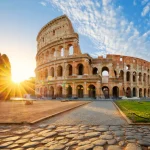
Rome allows students to examine how an empire organized religion, government, engineering, entertainment, and public space. Sites such as the Roman Forum and Colosseum are more useful when students arrive with guiding questions. Who was included in public life? How did architecture communicate authority? Which Roman systems still influence cities today?
The Renaissance Can Be Studied in Context
Florence helps students connect artistic innovation with trade, patronage, politics, and civic competition. Paintings and sculptures become easier to understand when learners also see the churches, streets, and public spaces for which many works were created. Teachers can use the city to explore how wealth and power shaped cultural production.
Regional Identity Matters
Italy’s regions differ in food, dialect, architecture, historical experience, and local traditions. Comparing Rome, Florence, Venice, or another destination helps students challenge the idea of a single, uniform Italian culture. These contrasts also create useful connections to geography, economics, and the relatively recent formation of the Italian state.
Food Offers a Practical Cultural Lesson
Meals reveal regional agriculture, family traditions, daily schedules, and social expectations. Students can compare familiar Italian-American dishes with foods prepared in their place of origin. A cooking activity or market visit can support vocabulary, measurement, sustainability, and discussions about how cuisine changes when people migrate.
Architecture Encourages Close Observation
Italian cities reward students who slow down and look carefully. Streets, facades, domes, fountains, ruins, and piazzas show how communities adapted older structures to new needs. Sketching, photography assignments, or short observation prompts can help students move beyond passive sightseeing.
Build an Itinerary With Academic Balance
A successful program balances major landmarks with time for reflection, neighborhood exploration, and local interaction. Prométour’s Italy: Classic Tour provides a strong route through Italy’s best-known educational centers while remaining customizable for art, history, language, music, or interdisciplinary groups.
Explore Prométour’s Italy: Classic Tour as a customizable starting point for your group.
Italy Makes Historical Layers Easy to See
Italy educational tours allow students to move physically between ancient, medieval, Renaissance, and modern landscapes. In Rome, later buildings reuse earlier materials and occupy the same urban space. Florence shows how wealth, politics, religion, and artistic patronage shaped a city. Venice raises questions about trade, engineering, tourism, and environmental risk.
These layers help students understand that historical periods do not replace one another cleanly. They remain visible, repurposed, protected, and sometimes contested.
Use Place to Connect Art and Power
A painting, church, palace, or public square becomes more meaningful when students ask who funded it, who could access it, and what message it communicated. This approach moves art history beyond style recognition and shows how culture is linked to political and economic systems.
Italy Makes Continuity and Change Tangible
Students can stand in a Roman forum, enter a Renaissance church, and walk through a contemporary neighbourhood within the same city. That proximity makes Italy ideal for studying how societies reuse, reinterpret, and sometimes contest the past.
Teachers can organize the trip around a recurring question: who shaped this place, who used it, and how has its meaning changed? The same question works for ancient ruins, public squares, churches, museums, and food traditions.
What Students Should Notice
For teachers, the experience becomes most valuable when students know what evidence to look for and how the experience connects to work already completed in class. A focused question, a short observation task, and a purposeful discussion afterward can turn the topic into learning that students can explain in their own words.
For another teacher-focused perspective, read 8 Italian Dining Tips for Student Travelers.
For background research, teachers can consult official sources such as UNESCO World Heritage Centre and the official Italy tourism board.
Frequently asked questions
What grade levels are Italy student trips suitable for?
Because Prométour builds every itinerary privately for a single group, the pacing and content are set to match the class, from middle-school groups to senior students. A teacher shapes the academic focus, so the same route can serve a beginner history class or an advanced one.
How far ahead should teachers plan Italy student trips?
Most group leaders start nine to twelve months out, which leaves room to confirm dates, fundraise, and align the route with the curriculum. You can request a custom quote and a draft itinerary early, then adjust it as enrolment settles. See the trip page for a starting point.
How is a private group trip different from an off-the-shelf tour?
A private itinerary is built around one class rather than pooled with strangers, so the schedule, academic focus, and group size fit the teacher’s goals. That control is the core of how Prométour works.
Bringing it into the classroom: the strongest Italy trips start from a clear curriculum goal, not a checklist of sights. Decide what you want students to understand in your history unit, then let the itinerary serve that goal. A private, custom plan makes that alignment possible, and you can shape it directly on the trip page.