












A Montréal and Québec City student trip gives learners direct experience with French-Canadian history, language, geography, and identity across two distinct cities. Students move from the multilingual energy of Montréal to the compact, centuries-old streetscape of Québec City, building observations that no classroom simulation can replicate.
Quick answer: Prométour plans private, custom French student trips abroad that are built around one class and one set of learning goals, so the itinerary, group size, and academic focus fit what a teacher actually needs.
First impressions and adjusting to French
The first hours shape how students relate to the destination. A clear arrival routine covering the buddy system, meeting points, and expectations builds confidence before the learning begins. Old Montréal is an effective first setting because students can see layers of architecture, trade, religion, and urban development within a compact area. Give students two or three practical language goals right away, such as greeting someone, asking a simple question, or reading a sign. Early success matters more than complexity.
Learning through Montréal’s neighbourhoods and landmarks
Around Place d’Armes, students can consider how religious, financial, and civic buildings communicate authority. The exterior of Notre-Dame Basilica and neighbouring architecture create opportunities to discuss Gothic Revival design, immigration, and the development of Montréal.
A viewpoint from Mount Royal helps students understand the island, the St. Lawrence River, downtown development, and the relationship between topography and settlement. A guided walk through a neighbourhood such as the Plateau or Mile End reveals language, migration, housing, commerce, and public art. Ask students to document signs of continuity and change rather than simply listing what they see.
Museums become more effective when students know what they are looking for. Assign pairs one object, image, or story to interpret for classmates. They can explain what it reveals about Montréal and identify one question the exhibit leaves unanswered.
The transfer to Québec City as a comparison exercise
The journey between cities should not feel like lost time. Before departure, ask students to list three characteristics they associate with Montréal. The St. Lawrence River connects the two cities historically and geographically, and teachers can discuss transportation, trade, defence, settlement, and environmental significance during the transfer.
On arrival in Québec City, establish the geography of Upper Town, Lower Town, the fortifications, and the river. A walking orientation helps students understand slopes, gates, and sightlines before they encounter individual sites. Ask students what feels older, where French is more visible or audible, and how the scale of the city changes the group’s experience.
How the two cities teach different things
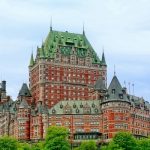
Montréal reveals how a modern, multilingual city evolves through immigration, commerce, and cultural diversity. Québec City’s built environment supports discussion of French colonial history, British rule, religion, and Canadian identity. Students can compare stone buildings, civic monuments, churches, and military structures.
Encourage students to save one photograph, quotation, map detail, or architectural observation from each city. These paired pieces of evidence can support a final comparison after the trip. The task keeps the two destinations from blending together and gives students concrete material for a presentation, reflection, or French-language assignment.
Language practice throughout the trip
Raise the French-language goal gradually. A supervised market, café, or small-group activity can give students a practical reason to speak. Provide differentiated challenges so beginners can complete a transaction while advanced learners ask follow-up questions or compare products. Debrief interactions without correcting every error publicly. The goal is not flawless performance but the confidence to remain in the conversation long enough for learning to happen.
Reflection turns the trip into evidence of growth
A short daily debrief helps teachers identify fatigue, confusion, or excitement. Ask students to record one place, one French expression, and one question they now have. By the end of the trip, ask them to choose one assumption they held on arrival and explain whether the experience confirmed, complicated, or changed it. This short exercise rewards careful observation and produces evidence students can carry back into the classroom.
Prométour creates private, customized educational tours around each teacher’s objectives. Explore the Canada Ottawa, Montreal & Quebec City or browse more learning opportunities through our educational tour programs.
Making the Most of Both Cities
The strongest Montréal and Québec City student trips treat both cities as connected case studies rather than interchangeable francophone destinations. Montréal offers urban geography, neighbourhood identity, and a cosmopolitan French-Canadian experience. Québec City provides a concentrated historic core where fortifications, churches, and narrow streets make political and cultural history visible at every turn.
Teachers who frame the trip around a central question, such as “How does place shape identity?” or “How do the two cities express their French-Canadian heritage differently?”, give students a lens that connects otherwise separate activities into a coherent learning arc.
Build the Trip Around Your Curriculum
The Canada Ottawa, Montreal & Quebec City itinerary can be adjusted to include history, language immersion, winter activities, museums, or curriculum-specific workshops. Every group is different, and every teacher knows what their students need to see, hear, and do.
Related reading: The Best Educational Places to Visit in Québec City.
For background research, teachers can consult official sources such as Parks Canada and Tourisme Montréal.
Frequently asked questions
What grade levels are Prométour student trips suitable for?
Because Prométour builds every itinerary privately for a single group, the pacing and content are set to match the class, from middle-school groups to senior students. A teacher shapes the academic focus, so the same route can serve a beginner French class or an advanced one.
How far ahead should teachers plan Prométour student trips?
Most group leaders start nine to twelve months out, which leaves room to confirm dates, fundraise, and align the route with the curriculum. You can request a custom quote and a draft itinerary early, then adjust it as enrolment settles. See the trip page for a starting point.
Will students actually use their French on the trip?
That is the point of a private itinerary. Guided visits, homestays, and everyday interactions are built in so students practise French in real settings rather than only in the classroom.