













ChinaMandarinHistoryArt and ArchitectureJuly 30, 2026 | 4 min read
Educational Highlights of China for Student Groups
China presents students with an extraordinary range of historical and contemporary questions. Ancient political systems, major engineering projects, religious traditions, rapid urban development, and global economic influence can all be explored within one educational journey.
The strongest China student tour highlights are not simply the most photographed sites. They are places that help students connect long timelines with the realities of modern life.
Quick answer: Prométour plans private, custom Mandarin student trips in China that are built around one class and one set of learning goals, so the itinerary, group size, and academic focus fit what a teacher actually needs.
China presents students with an extraordinary range of historical and contemporary questions. Ancient political systems, major engineering projects, religious traditions, rapid urban development, and global economic influence can all be explored within one educational journey.
The strongest China student tour highlights are not simply the most photographed sites. They are places that help students connect long timelines with the realities of modern life.
Beijing and the Structure of Imperial Power
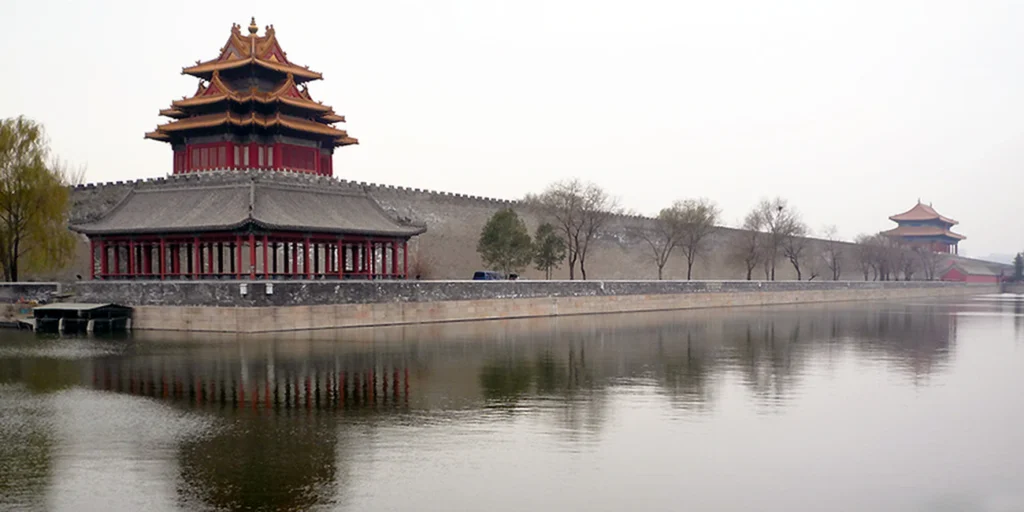
The Forbidden City provides a clear introduction to imperial government, architecture, hierarchy, and symbolism. Its scale helps students understand how political authority was designed into space, from gates and courtyards to restricted inner areas.
Nearby, Tiananmen Square and modern institutions allow teachers to discuss how public space carries several historical meanings. Sensitive topics require careful, age-appropriate preparation and a focus on evidence, context, and respectful inquiry.
The Great Wall and the Limits of a Simple Story
The Great Wall is often presented as one continuous structure built for one purpose. In reality, different walls were constructed and rebuilt across centuries by different dynasties. Students can examine defense, labor, geography, and the way national symbols simplify complex history.
Xi’an and the First Emperor
The Terracotta Army introduces Qin unification, funerary belief, craftsmanship, and centralized power. The individual figures also show how mass projects rely on skilled human labor. Xi’an’s position on historic trade routes supports further study of cultural exchange along the Silk Roads.
Shanghai and Modern Urban Transformation
Shanghai offers a striking comparison with imperial sites. Students can observe dense transit systems, global finance, colonial-era architecture, and contemporary development. The city encourages discussion about modernization, inequality, sustainability, and how urban identity changes rapidly.
Language and Everyday Cultural Practice
Even beginner Mandarin students can use greetings, numbers, and polite expressions in authentic situations. Markets, restaurants, and neighborhood walks help learners see how tone, context, and nonverbal communication shape interaction.
Art, Gardens, and Philosophical Ideas
Traditional gardens, calligraphy, painting, and religious sites reveal different approaches to balance, nature, space, and scholarship. Students can compare these traditions with artistic systems they already know while avoiding simplistic “East versus West” contrasts.
Preparing Students for a Complex Destination
Before travel, teachers should introduce China’s geography, major dynasties, political system, regional diversity, and contemporary global role. Students benefit from understanding that no short itinerary can represent a country of this scale.
Prométour’s China: Cultural Highlights offers a framework that can be adapted around history, Mandarin, art, or cultural studies.
From Sightseeing to Inquiry
A useful guiding question is: how does each place represent continuity and change? Students can apply it at the Great Wall, in an imperial palace, on a high-speed train, or within a modern skyline.
That question moves the trip beyond a checklist and helps students understand China as a living society shaped by both deep historical traditions and rapid transformation.
Responsible Cultural Comparison
Students naturally compare unfamiliar practices with their own experience, but teachers can encourage them to move beyond deciding which system is better. Stronger questions ask what historical conditions produced a practice, who benefits from it, and how people within the country understand it differently.
This approach supports cultural humility and helps students avoid treating a large, diverse society as a single viewpoint.
Balance Monumental History With Everyday Observation
China's major sites are compelling because of their scale, but students also need opportunities to observe daily life. Public transportation, neighbourhood commerce, school routines, parks, and food culture can help them understand how historical legacies coexist with rapid urban and technological change.
A China student tour highlights several long historical continuities, yet teachers should avoid presenting the country as frozen in an imperial past. The Forbidden City and Great Wall can be studied alongside contemporary architecture, environmental policy, migration, and global economic relationships.
Teach Comparison Without Turning It Into Ranking
Students naturally compare what they see with home. The goal is to help them move beyond better-or-worse judgments. Ask what problem a practice is designed to solve, what historical conditions shaped it, and whose perspective may be missing. This creates a more responsible form of cultural comparison and prepares students to discuss difference with evidence.
China Requires More Than a Checklist of Landmarks
The strongest student itineraries connect major sites to the larger questions students are already studying. The Great Wall can open a discussion about defence, labour, and imperial power. Historic neighbourhoods raise questions about preservation and urban change. Museums and contemporary city districts help students compare dynastic history with the pace of modern development.
Because China’s scale can feel overwhelming, teachers should select a few recurring themes and revisit them throughout the trip. Continuity and change, the relationship between the state and the individual, and the influence of geography are useful lenses. Students then return home with a coherent interpretation rather than a collection of disconnected photographs.
Turning the Topic Into Meaningful Learning
For teachers, the experience becomes most valuable when students know what evidence to look for and how the experience connects to work already completed in class. A focused question, a short observation task, and a purposeful discussion afterward can turn the topic into learning that students can explain in their own words.
For another teacher-focused perspective, read Why Some Learning Experiences Can Only Happen Outside the Classroom.
For background research, teachers can consult official sources such as UNESCO World Heritage Centre and the Palace Museum.
Frequently asked questions
What grade levels are China student trips suitable for?
Because Prométour builds every itinerary privately for a single group, the pacing and content are set to match the class, from middle-school groups to senior students. A teacher shapes the academic focus, so the same route can serve a beginner Mandarin class or an advanced one.
How far ahead should teachers plan China student trips?
Most group leaders start nine to twelve months out, which leaves room to confirm dates, fundraise, and align the route with the curriculum. You can request a custom quote and a draft itinerary early, then adjust it as enrolment settles. See the trip page for a starting point.
Will students actually use their Mandarin on the trip?
That is the point of a private itinerary. Guided visits, homestays, and everyday interactions are built in so students practise Mandarin in real settings rather than only in the classroom.