













Three French Class Trips Built Around Budget: Québec, Morocco and France
On a French class trip, students should hear and gain confidence to communicate more in French every day. All three destinations do that, but what sets these three trips apart is the unique cultures around the language. Québec pairs French with maple taffy at a traditional sugar shack and the traditional customs, music and dances of the Huron-Wendat Nation. Morocco mixes French with Arabic and Amazigh, from the souks and Moroccan cuisine to a night in the Sahara. And France takes students from the sights and pastries of Paris to the history of Normandy’s D-Day beaches.
We rebuilt all three itineraries to keep each destination’s highlights and make the trip a more affordable option for families. On some, that meant fitting the highlights on fewer days. On others, we swapped one or two expensive activities for ones that teach just as much, or reordered the days and hotel stays on a classic route to spend more time on activities and less on transit. What we didn’t change: your group travels on its own and is never combined with another school’s, and trips include dedicated tour director, round trip and on-the-ground transportation, entrances to activities, authentic meals and basic health insurance (upgrade is optional).
What will students do in Québec?

Hot maple syrup hits a tray of packed snow and hisses. Your students crowd the table with wooden sticks and twist the taffy up before it sets. From the next room comes a fiddle, then one voice, then thirty more. That’s the cabane à sucre, with a lumberjack meal, folk songs and traditional dances, and it’s the night most groups talk about first.
The first evening brings the Crimes of New France ghost walk, where Vieux-Québec’s darker stories come out one at a time. At the Plains of Abraham Museum, students step into the daily life of a soldier at the Martello Tower. At Parc de la Chute Montmorency, they cross the suspended bridge and, in season, climb the 487 steps beside falls higher than Niagara. At the Copper Museum, they try repoussé and hammer out a piece of their own.
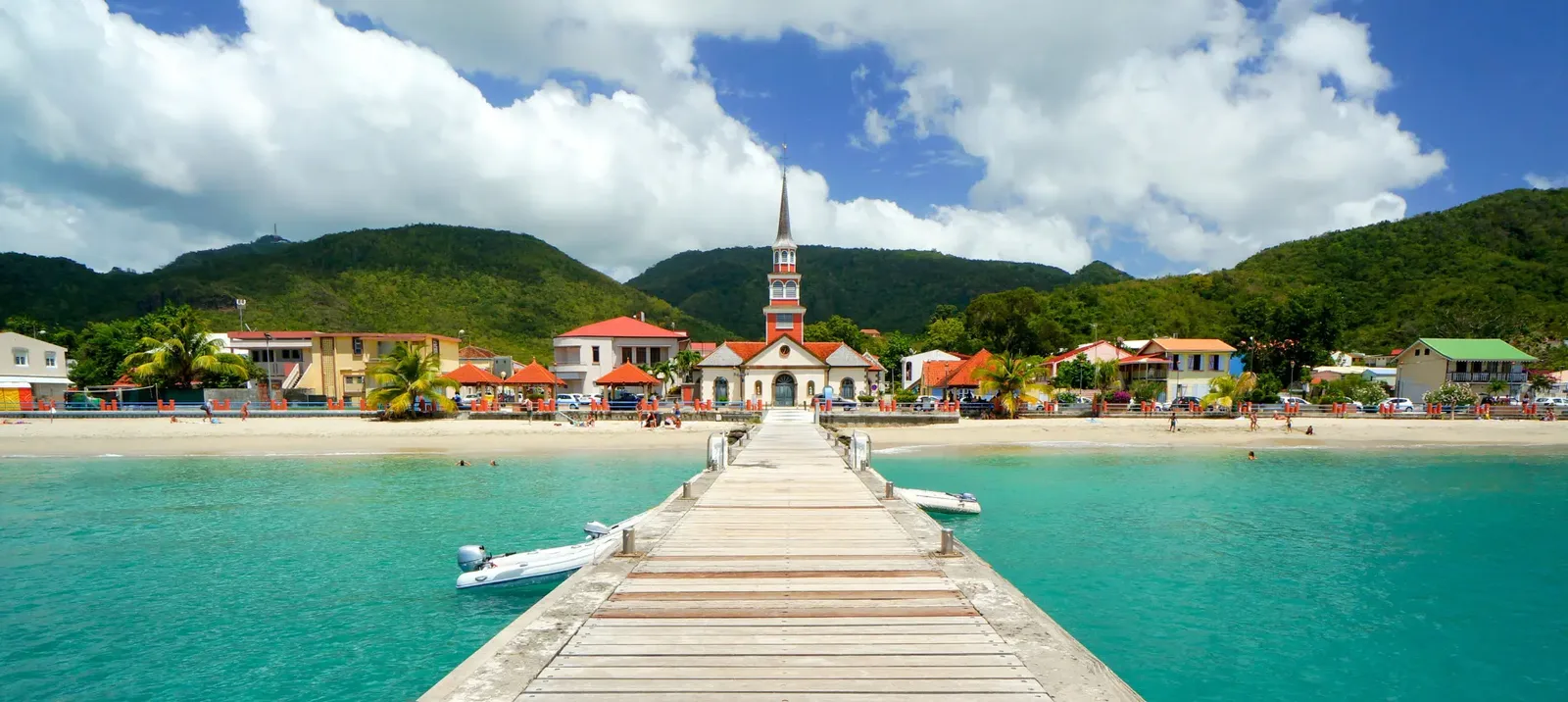
At the Onhoüa Chetek8e Huron Village, students learn Huron-Wendat customs, music and dances from the community. When the season allows, the Onhwa’ Lumina night walk lights up the forest around them. On the last morning, a ferry from Lévis brings the group across the St. Lawrence for a sailor’s view of Château Frontenac, then on to Quartier Petit Champlain.
It’s three days, close to home, and French is the language of the street. Read more on why Québec works for a French class trip, or see all student trips to Québec.
3 days
Québec at a glance
Getting there
Motor coach for nearby schools; flights can be added
Built around
Québécois traditions and Huron-Wendat culture
Signature moment
Maple taffy on snow at a sugar shack
What will students experience in Morocco?
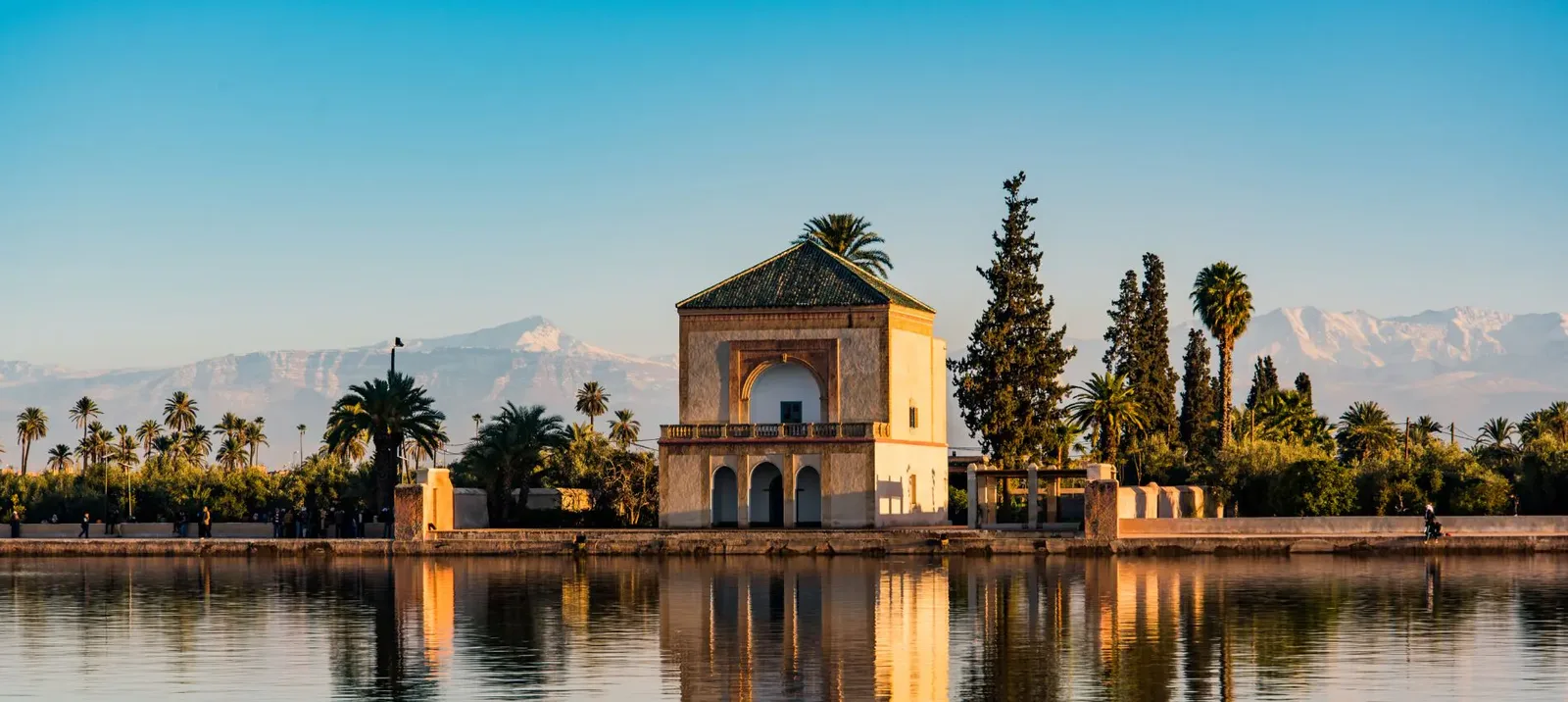
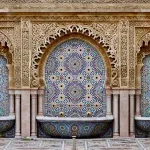
Picture them in the souks of Marrakesh, one student already try to buy something conversing in French while the others work up the nerve to try out simple sentences. In Morocco, French trades places with Arabic and Amazigh, sometimes within one conversation, and your students find out fast how well French takes a form of its own with in a mixed culture.
The trip opens in Marrakesh with the Bahia Palace, the Koutoubia minaret and a dinner and Fantasia show at Chez Ali. Then the road climbs over the High Atlas Mountains, past Berber villages, to the Ksar of Aït Ben Haddou and the Todra Gorges.
At Merzouga, a 4×4 brings the group to a desert camp at the foot of the Erg Chebbi dunes. A camel ride, the dunes turning gold at sunset, dinner and a night under more stars than any of them have seen. We are sure this is an unforgettable experience and years from now, they’ll still be talking about it.
In Fez, a guided walk leads through Fes el-Bali, a UNESCO World Heritage medina, past craft workshops and the tanneries. The trip ends in Casablanca, inside the Hassan II Mosque above the Atlantic, and in the Habous Quarter, where Moroccan and French design meet. If you want to do a French destination that is very unique and very different from the western world, we would highly recommend this program. Read more on Morocco as a French-speaking destination, or see all student trips to Morocco.
8 days
Morocco at a glance
Getting there
International flight
Built around
French alongside Arabic and Amazigh
Signature moment
A night at a Sahara desert camp
How does the France trip connect to your history unit?

France is a no-brainer destination choice for most French teachers. But there is more to learning in France besides just the streets of Paris. For instance students can learn a lot about American and Canadian contributions to World war as well as enjoy delicacies from different parts of France. In this itinerary, after the first evening in the Latin Quarter in Paris, the group heads to Rouen, where narrow streets run between more than 800 timber-framed houses and Joan of Arc’s story is everywhere. At the Mémorial de Caen, students meet the war through the fragility of peace.
The next day belongs to June 6, 1944: the Arromanches D-Day Landing Museum, the beaches themselves and the Musée Airborne. At the Normandy American Cemetery in Colleville-sur-Mer, more than 9,000 white headstones run farther than your students expected, and the group lays a bouquet of flowers in tribute. Give them a quiet moment here. It is part of the lesson.
The route continues to the abbey of Mont-Saint-Michel, on the UNESCO World Heritage List since 1979, and to Saint-Malo, the walled town Jacques Cartier sailed from on the voyage that led to Québec. Back to Paris, the pace lightens: a Ladurée macaron, the Champs-Élysées up to the Arc de Triomphe, and the city spread out below the Eiffel Tower. This itinerary took inspirations from a few of our top educational itineraries in France to enhance the learning parts of the trip while keeping the costs lower for the group.
Read more on why France belongs in your French curriculum, or see all student trips to France. For a wider history focus, browse our history tours.
7 days
France at a glance
Getting there
Transatlantic flight
Built around
The Second World War and French history
Signature moment
A bouquet laid at the Normandy American Cemetery
Frequently asked questions
How many students do we need for a French class trip?
The minimum group size is 10 to 12 paying students. All deposits are refundable until you confirm your group size for travel.
Will our group be combined with another school?
No. Every trip is a private group tour, and your group is never combined with another school’s.
How can families pay?
Families can pay in three instalments, in full, or on a payment schedule built for your group.
What happens to payments before the trip is confirmed?
All payments are held in trust and are fully refundable until you confirm your group for travel.
When should we start planning?
Start 12 to 18 months before departure. That gives families time to spread out payments and gives you time for school approval.
Prométour groups travel privately and are never combined, and payments are held in trust and fully refundable until you confirm your group for travel.