






Three Spanish Class Trips Built Around Budget: Puerto Rico, Costa Rica and Spain
Using Spanish every day is the main goal of any Spanish class trip, but the best trips also immerse students in the culture, traditions and culinary delights of the region. Puerto Rico brings salsa and bomba classes and Spanish-Caribbean dishes like alcapurrias and bacalaítos. Costa Rica offers rainforests, rich biodiversity and life in a small Spanish-speaking village. Spain combines Madrid’s world-class museums with Barcelona’s markets and Gaudí’s architecture for a rich-learning experience.
We rebuilt all three itineraries to keep each destination’s highlights and make the trip a more affordable option for families. On some, that meant fitting the highlights into fewer days. On others, we swapped one or two expensive activities for ones that teach just as much, or reordered the days and hotel stays on a classic route to spend more time on activities and less on transit. What we didn’t change: your group travels on its own and is never combined with another school’s, and every trip includes a dedicated tour director, round-trip and on-the-ground transportation, entrances to activities, authentic meals and basic health insurance (an upgrade is optional).
What will students do in Puerto Rico?
At night, a boat takes the group out on the bioluminescent bay at La Parguera, one of only three in Puerto Rico, where tiny organisms in the water light up when students trail their hands through it.
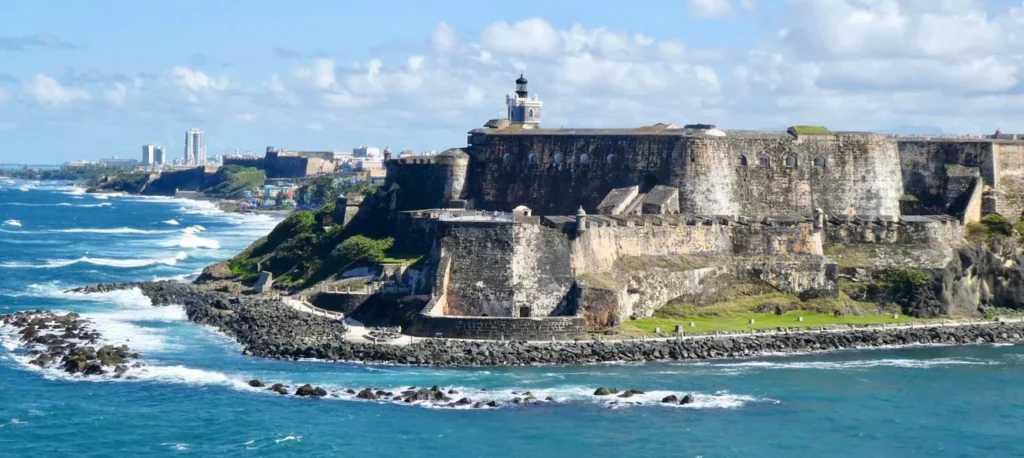
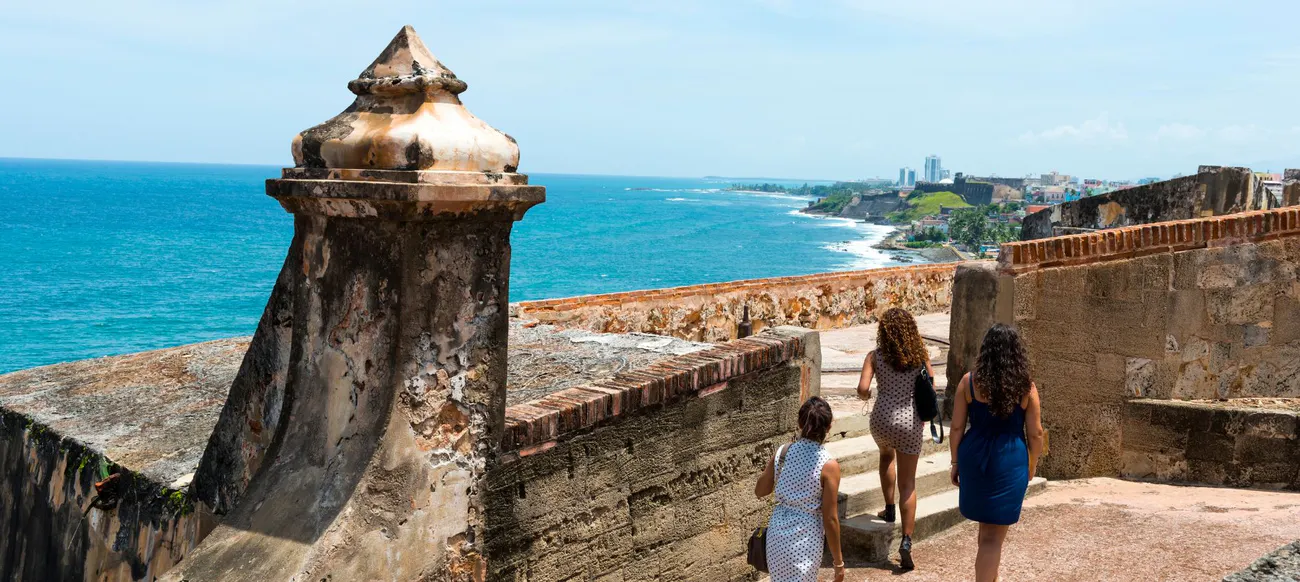
Students walk the cobblestone streets of Old San Juan out to El Morro. At the Centro Ceremonial Indígena, they learn about the island’s Taíno past through its ancient plazas and archaeological remains. In Ponce, a walking tour passes Plaza Las Delicias and the Parque de Bombas, followed by a salsa class.
A guided hike in El Yunque leads to waterfalls in the rainforest, with an afternoon at Luquillo Beach after. On the last morning, a bomba class teaches the history and rhythms of Puerto Rico’s traditional drumming and dance, followed by an Afro-Caribbean lunch in Piñones. If you’re planning your group’s first Spanish trip, this is the one we’d recommend: it’s short, easy to organize and packed with culture.
U.S. citizens don’t need a passport to travel to Puerto Rico, according to USA.gov. Other travellers should check their own government’s official travel advice. Read more on Puerto Rico as a Spanish trip without a passport, or see all student trips to Puerto Rico.
5 days
Puerto Rico at a glance
Getting there
Flight to San Juan; no passport for U.S. citizens
Built around
Caribbean culture, Taíno and Afro-Puerto Rican heritage
Signature moment
The bioluminescent bay at night
What will students experience in Costa Rica?
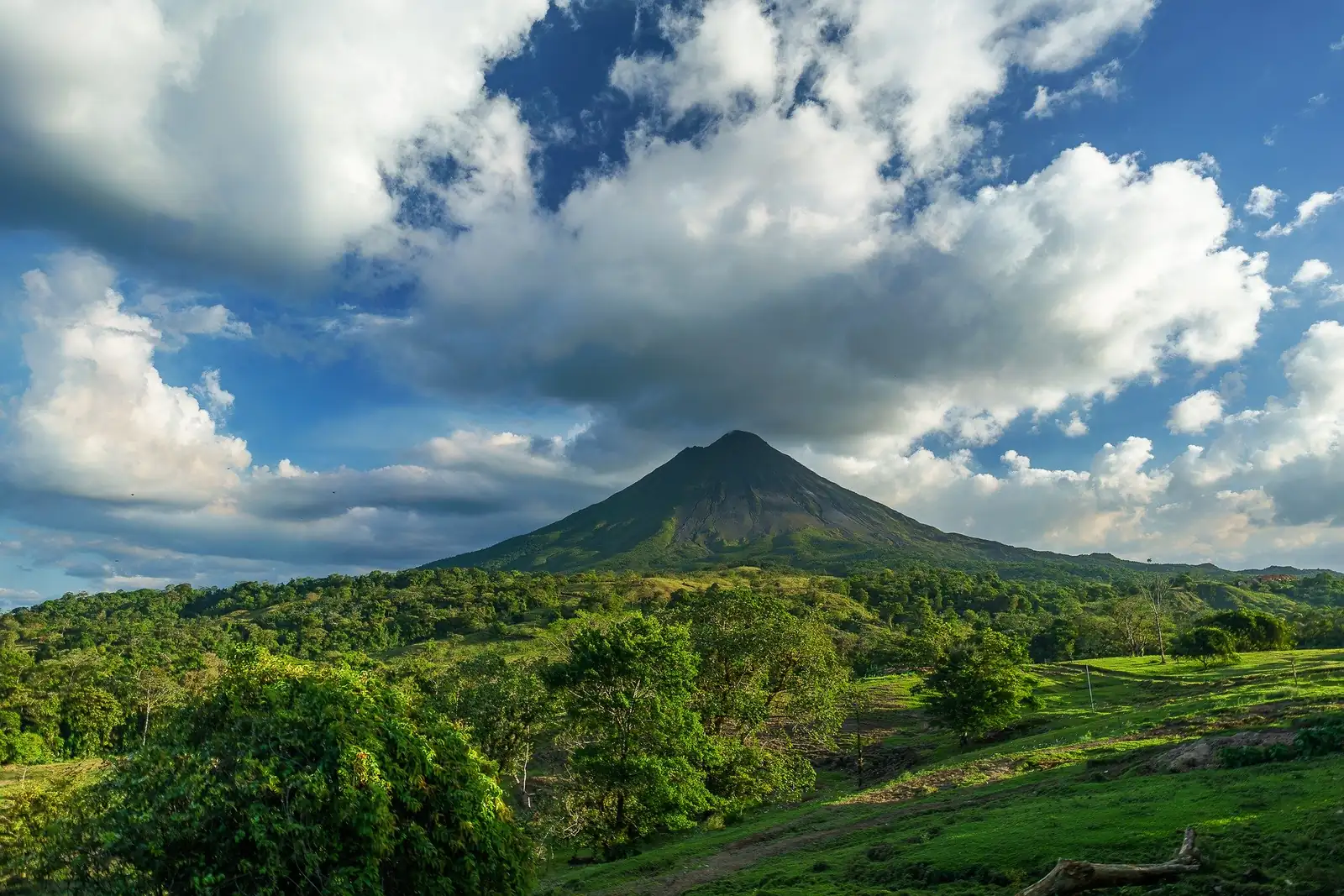
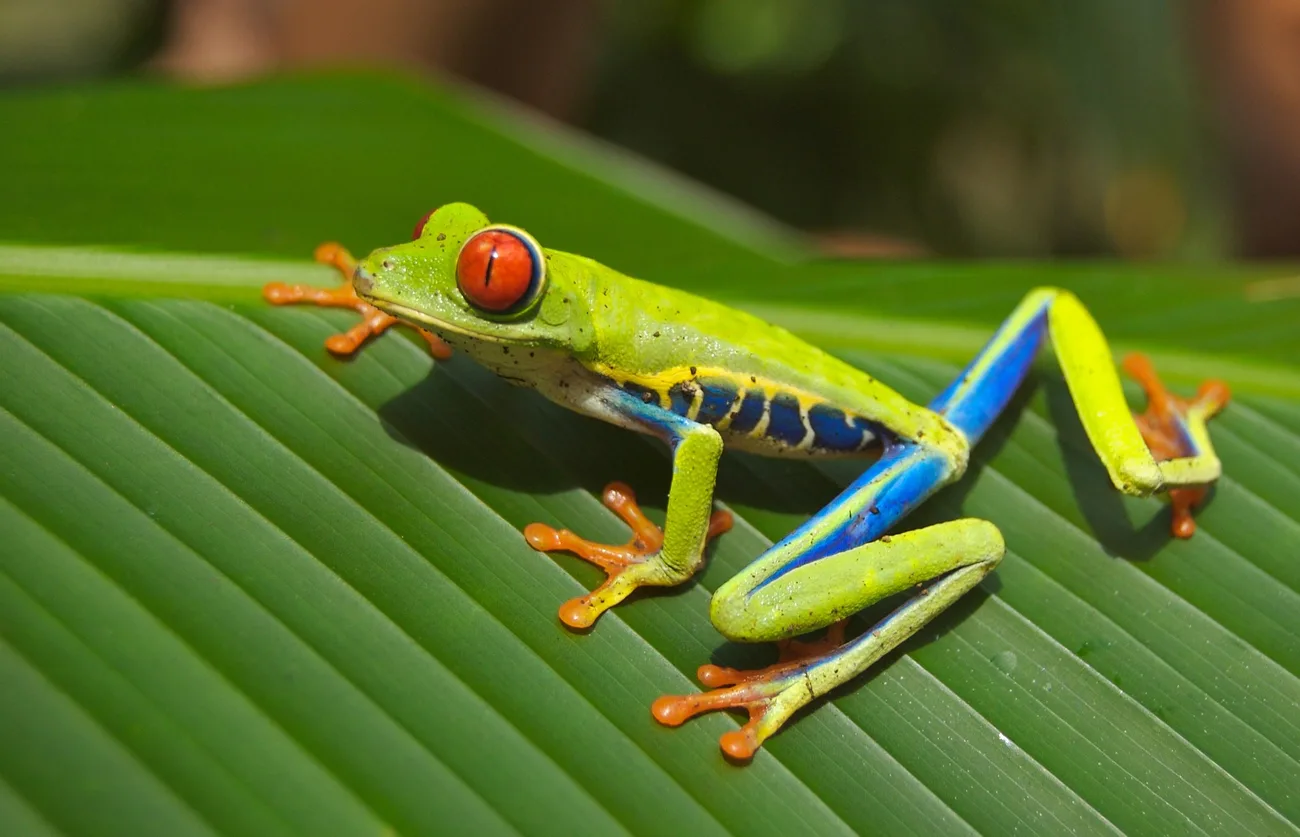
The group’s base is the Guacima Country Inn in La Guácima de Alajuela, a small village where daily life runs in Spanish. Students use their Spanish every day, at meals and around the village.
On day trips, a boat takes the group down the Sarapiquí River as students look for monkeys, sloths and caimans along the banks. Near Mount Arenal, students learn how cacao becomes chocolate, go on a night walk to spot nocturnal animals, and visit the La Fortuna waterfall.
At the Maleku Indigenous Reserve, the community welcomes the group and shares its language, customs and medicinal plants. Students make their own mask with help from the community. At the Doka coffee plantation, they learn how coffee is grown, processed and roasted. In Sarchí, artisans paint the colourful ox carts the town is known for, and then your students pick up a brush and paint an ox-cart wheel of their own. They take it home as a souvenir. If your students love nature and wildlife, we’d highly recommend this program.
Read more on what students see and do in Costa Rica, or see all student trips to Costa Rica.
7 days
Costa Rica at a glance
Getting there
International flight
Built around
Wildlife, Maleku culture and village life
Signature moment
Painting an ox-cart wheel in Sarchí
How does the Spain trip bring art and history to life?

Spain is an obvious choice for most Spanish teachers, but there’s more to learning in Spain than the streets of Madrid. Students see how Christian, Muslim and Jewish cultures shaped Toledo, follow Spanish art from the Prado to Picasso, and ride the high-speed train between two of Europe’s great cities. In this itinerary, your students get around Madrid the way Madrileños do, on foot and by Metro, from Puerta del Sol to the Plaza Mayor and the Palacio Real. At the Museo del Prado, they see works by the Spanish masters. At the Museo Reina Sofía, they see Picasso’s Guernica in person.
In Toledo, a UNESCO World Heritage site known for the historical coexistence of Christian, Muslim and Jewish cultures, a guided walk leads to a traditional sword and damascene studio where students watch the craft up close.
The group then takes the AVE high-speed train to Barcelona, where students ride the cable car up Montjuïc, explore the Gothic Quarter and the Picasso Museum, and visit Gaudí’s Sagrada Família. At La Boqueria market, they buy their own lunch in Spanish. This itinerary took inspiration from a few of our top educational itineraries in Spain to enhance the learning parts of the trip while keeping the costs lower for the group.
Read more on why Spain belongs in your Spanish curriculum, or see all student trips to Spain.
8 days
Spain at a glance
Getting there
Transatlantic flight
Built around
Art, history and two great cities
Signature moment
Guernica at the Reina Sofía
Frequently asked questions
How many students do we need for a Spanish class trip?
The minimum group size is 10 to 12 paying students. All deposits are refundable until you confirm your group size for travel.
Will our group be combined with another school?
No. Every trip is a private group tour, and your group is never combined with another school’s.
How can families pay?
Families can pay in three instalments, in full, or on a payment schedule built for your group.
What happens to payments before the trip is confirmed?
All payments are held in trust and are fully refundable until you confirm your group for travel.
When should we start planning?
Start 12 to 18 months before departure. That gives families time to spread out payments and gives you time for school approval.
Prométour groups travel privately and are never combined, and payments are held in trust and fully refundable until you confirm your group for travel.